

Staring at a blank page is one of the most frustrating feelings in the world. You want to draw. You know drawing makes you feel good. But your brain just… won’t cooperate. Here’s the thing: you don’t need a grand vision or a perfect subject. You need one small, doable idea and about ten minutes. That’s it. This list gives you over 100 fun drawing ideas to get your pencil moving again, whether you’re a total beginner or a seasoned sketcher looking for new ideas.

Quick-Start: Easy Things to Draw Right Now
If you’re stuck right now, this section is for you. Don’t overthink it. Grab whatever pencil and paper you have nearby and pick one of these easy drawing ideas. Each one takes under ten minutes, and none of them need to be perfect. The point is movement, not mastery.
Every single idea below can be started with basic shapes-circles, squares, triangles-and simple lines. You don’t need fancy tools or years of experience. You just need to start.
Here are easy things to draw right this second:
- A steaming coffee mug with a simple pumpkin shape on it
- Your keychain and all its little charms
- Your hand holding a pencil
- A single leaf from outside your window
- Your phone charger, tangled and all
- A pair of wine bottles on a table
- A stack of books with visible spines
- Your favorite pair of shoes
- A slice of pizza with all the toppings
- A video game controller from memory
- A candle with a flickering flame
- Flowers in a small vase-even messy ones count
- Your water bottle
- A potted succulent
- An old pair of headphones
- A crumpled piece of paper
- Your sunglasses, open on a surface
- A single cupcake with frosting detail
These quick sketches can live in a daily sketchbook, a small journal you keep by your desk, or even on a sticky note. Flowers are simple yet effective doodles for beginners-a few curved petals around a circle and you’re done. The habit matters more than the result. It’s Easy To Draw is an online art academy built around exactly this philosophy: approachable, beginner-friendly, step by step drawing and coloring instruction that meets you where you are.
Core Drawing Techniques: Build Skills While You Pick Things to Draw
Picking a thing to draw is half the battle. The other half is knowing a few foundational drawing techniques so your sketching practice actually builds drawing skills over time instead of just filling pages randomly.
Here are the essentials to keep in mind:
- Line confidence: Practice drawing smooth consistent lines; straight ones, C-curves, S-curves-without hesitation. Scratchy, timid lines hide errors but create mess.
- Light sketching: Start every subject with very light pressure to map out proportions and placement. Think of it as a whisper before the conversation.
- Shading from light to dark: Understanding value (lightness vs. darkness) matters more than color for creating depth. Practice hatching, cross-hatching, and smooth gradients.
- Using reference photos: This isn’t cheating. Using reference photos improves drawing accuracy, period. Skilled observation in drawing can be developed through practice and structured exercises, and references accelerate that process. Check out this guide on drawing from photographs for more detail.
- Checking proportions: Use comparative measurements. Hold your pencil up, compare lengths, pay close attention to how big one part is relative to another. Focusing on negative space trains accuracy in measuring proportions and spatial relationships.
Here’s a concrete example. Turn a circle and two triangles into a Halloween cat face. Circle for the head, two triangles for ears, two smaller circles for eyes, a tiny triangle for the nose, and whisker lines. That’s it. You just drew a cat. Setting rules like “start with shapes first” helps beginners master drawing fundamentals without getting overwhelmed.
Drawing from life, such as 100-year-old objects or old farm equipment rusting in a field, enhances observational accuracy far more than drawing from imagination alone. Even sketching farm equipment from a photograph sharpens your eye. These techniques are covered in depth inside the Fundamentals of Drawing course.
Drawing From Basic Shapes: Turn Anything Into an Easy Sketch
Almost every subject that looks complicated is just a pile of shapes wearing a costume. Basic shapes are essential for drawing 3D objects. Once you see them, even intimidating subjects feel manageable.
Here’s how complex objects break down:
Subject | Shapes Used |
|---|---|
Bicycle | Two circles (wheels), rectangles (frame), curves (handlebars) |
Pumpkin | Oval base, curved vertical ribs, small cylinder (stem) |
Cat | Circle (head), oval (body), triangles (ears), cylinder (legs) |
Sneakers | Semi-ovals (soles), rectangles (upper), curves (tongue, laces) |
Spaceship | Elongated oval (body), triangles (wings), cones (engines) |
Rose | Tight central spiral, overlapping curved teardrops (petals) |
The process goes like this: block in with circles, ovals, and rectangles. Refine with contour lines, smoothing transitions between shapes. Erase your guides and add shading or tiny details. Step-by-step guides simplify drawing complex subjects like roses because they turn one overwhelming form into a sequence of easy shapes.
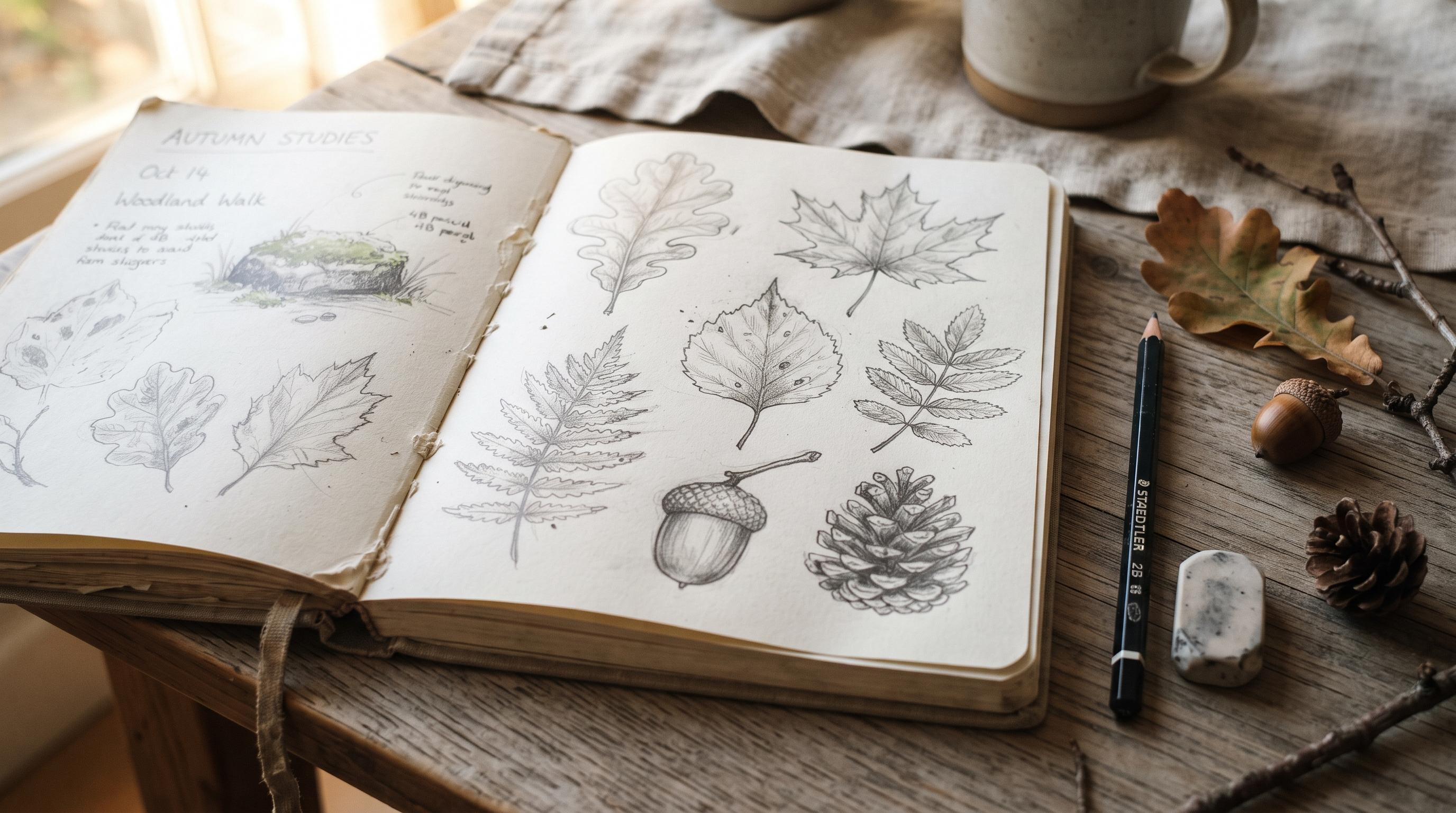
This “shape-first” approach is the same method used by professional illustrators and other artists, from Loomis to Bridgman to modern concept artists. Try filling one sketchbook spread with nothing but shape-construction practice before worrying about making anything look pretty.
Step by Step Animals: Classic Things to Draw for Beginners
Animals are a popular subject for doodles, and for good reason. They have recognizable silhouettes, clear basic shapes, and loads of personality. Step-by-step guides help beginners draw animals and people by breaking intimidating subjects into a logical order of construction.
Here are quick mini-outlines:
- Cat: Circle (head) → triangle ears → oval body → curved tail → add eyes, whiskers, paw pads
- Dog: Oval body → circle head → rounded triangle ears → cylinder legs → wagging tail → face detail. A step-by-step guide for drawing a dog includes seven steps from block-in to final shading.
- Fox: Tilting oval body → triangular ears → elongated snout → big bushy tail → add markings
- Fish: Almond-shaped body → fan-shaped tail fin → side fins → gills → scale texture
- Bird: Oval body → smaller circle head → triangle beak → curved wings → tapered tail feathers. Drawing a bird involves eight specific steps from the initial oval through final feather detail.
Use simple reference photos to study proportions and gesture rather than guessing from memory. Try practicing one animal per day this month as a mini challenge-date each sketch so you can track progress. After 30 days, flip back to Day 1 and watch your own improvement unfold. The It’s Easy To Draw Academy has a course How To Draw Cats Masterclass that takes students from basic shapes to fully realistic cats in motion.
Faces and Features: Eyes, Noses, and Expressions to Practice
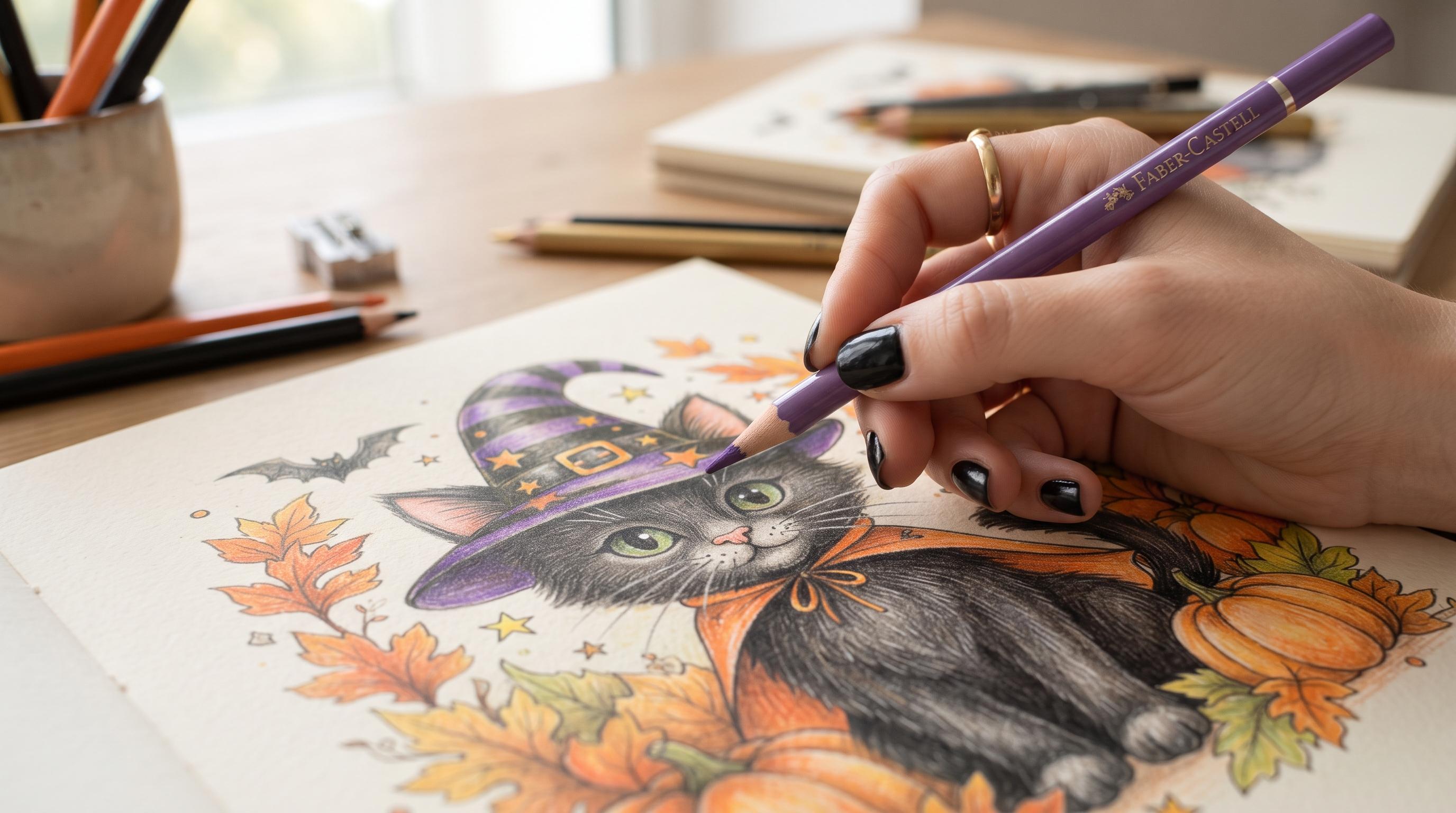
Drawing faces feels intimidating. I get it. But here’s the truth: a face is just a collection of small, manageable features arranged on guidelines. Break it into steps and it becomes completely approachable.
Start with an easy step by step approach for a front-facing head:
- Draw an oval for the head shape
- Add a vertical center line and a horizontal line halfway down for the eyes
- Place the nose base one-third down from the eye line
- Position the mouth halfway between the nose and chin
- Sketch in features, then refine
Now try focused feature studies. Fill a page with only different types of eyes-front view, profile, wide open, squinting. Do another page for noses from different angles. A third page for tiny expressive mouths showing happiness, surprise, anger. This isolation of features accelerates improvement dramatically.
Small changes create big expression shifts: raising brows suggests surprise, narrowing eyes conveys suspicion, lifting lip corners reads as warmth. Pay close attention to these subtle differences. The Easy Way To Draw Faces course at It’s Easy To Draw walks through these exercises in detail, building toward realistic portraits over time.
Festive & Creepy Halloween Drawing Ideas (Perfect for Logos & Stickers)
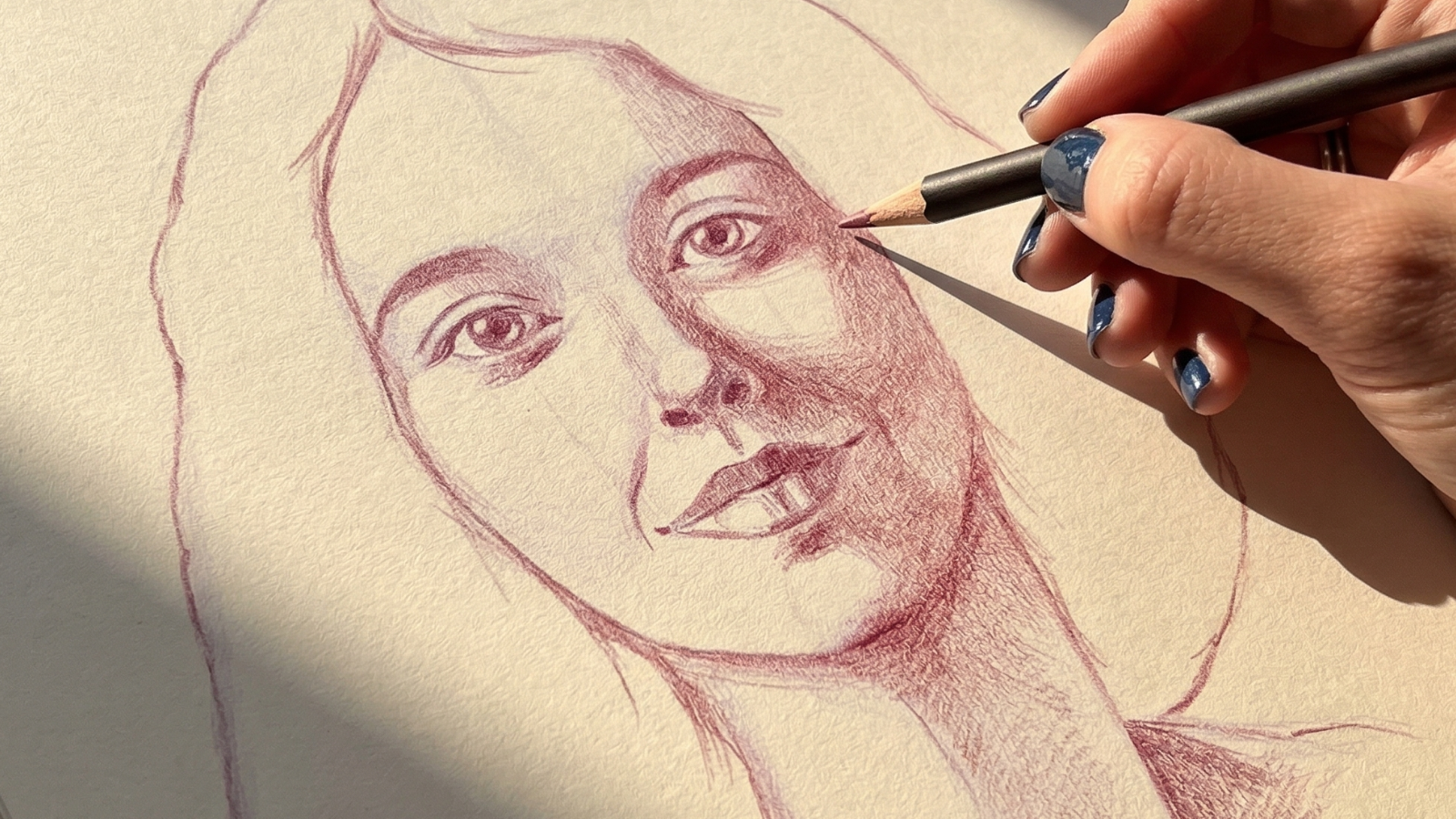
October is the perfect excuse to fill your sketchbook with spooky, fun things. Here’s a list of concrete Halloween objects to draw-each one works as a fast doodle, a polished illustration, or a simple logo:
- Carved pumpkins with different faces (happy, terrified, surprised, silly)
- Black cats with arched backs
- Witch hats with oversized buckles
- Sugar skulls with intricate details and symmetrical patterns
- Candy corn and swirled lollipops
- Bats in mid-flight
- A haunted house with crooked chimneys and twisted roofs
- Potion bottles dated “31 October” with glowing liquid inside
- Skulls (try this realistic human skull tutorial for a challenge)
- Ghosts floating with trailing sheets
- Spider webs stretched across corners
- Broomsticks leaning against walls
- Moon phases in a horizontal line across the page
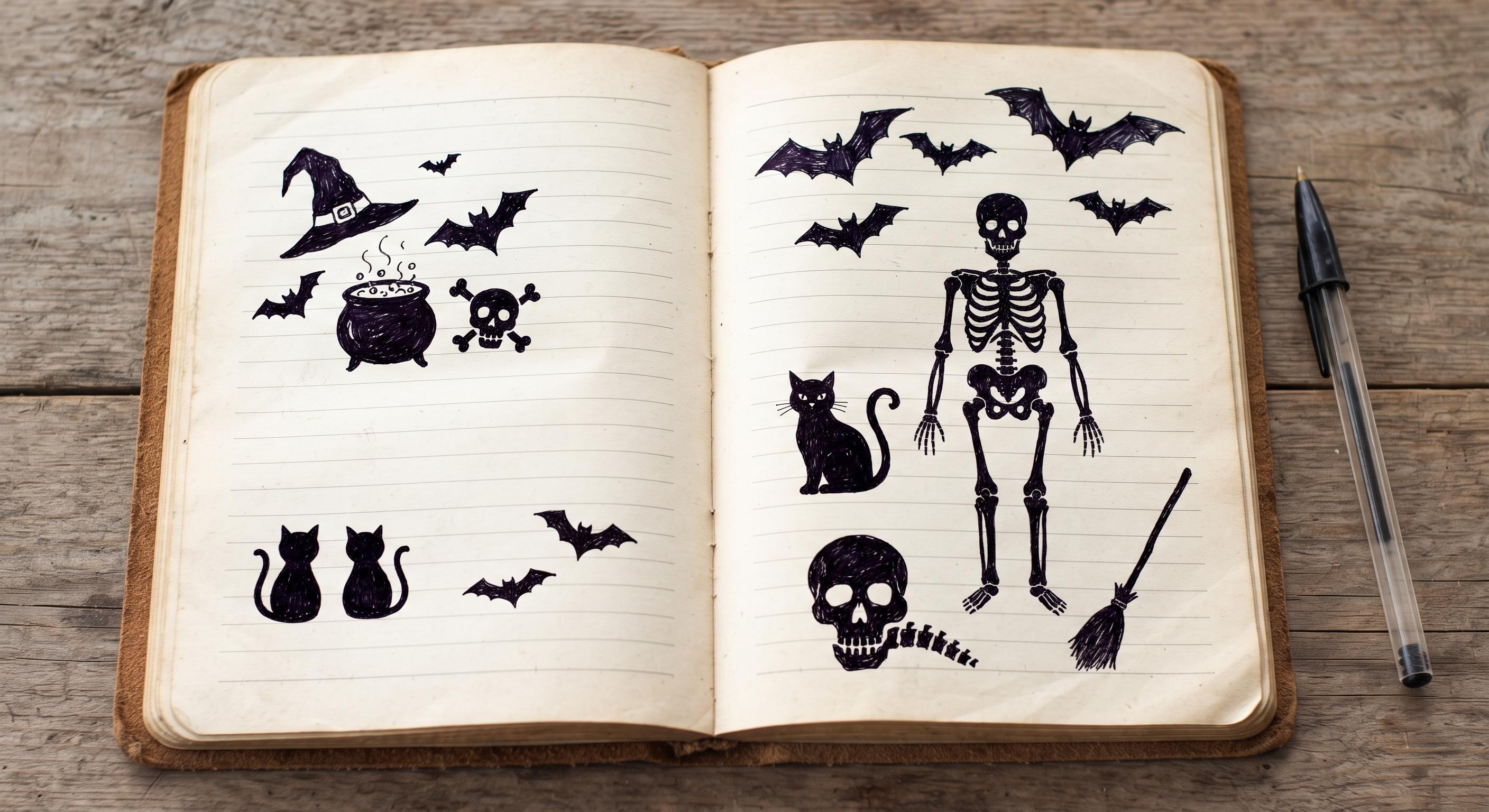
Logo ideas for Halloween: Think clean silhouettes that read well at small sizes. A pumpkin with a pencil for a stem. A ghost holding a sketchbook. A bat-shaped paint palette. These make great subject matter for stickers, social media icons, or personal branding graphics.
To keep logo-style drawings effective, use strong outlines, limited color palette (orange, black, purple), and clear shapes. Using a limited palette forces reliance on contrast and texture, which actually strengthens your design. Keep a separate Halloween ideas journal or dedicate an October sketchbook page to capture every spooky idea that crosses your imagination.
Bullet Journal & Daily Sketchbook Doodles
If you already keep a planner or bullet journal, you have a built-in drawing practice space. Doodle tutorials provide easy step-by-step instructions for beginners, and margins are the perfect low-pressure canvas.
Great doodle themes include:
- Banners and decorative borders
- Tiny potted plants and succulents
- Weather icons (sun, clouds, rain, lightning)
- Habit tracker symbols
- Coffee mugs, open books, tiny houses
- Space doodles: stars, rockets, planets
- Kawaii themes like cute animals and foods
Here’s a helpful habit: set a timer for five minutes. Pick any nearby object like your coffee cup, a pen, your charger cable, and fill a tiny square in your journal. Done. Move on with your day. Drawing characters from cartoons is a nostalgic theme that also works well in margins: a tiny Pikachu next to your grocery list, a small Totoro beside your schedule. Popular culture references can inspire unique doodles that make your journal feel personal.
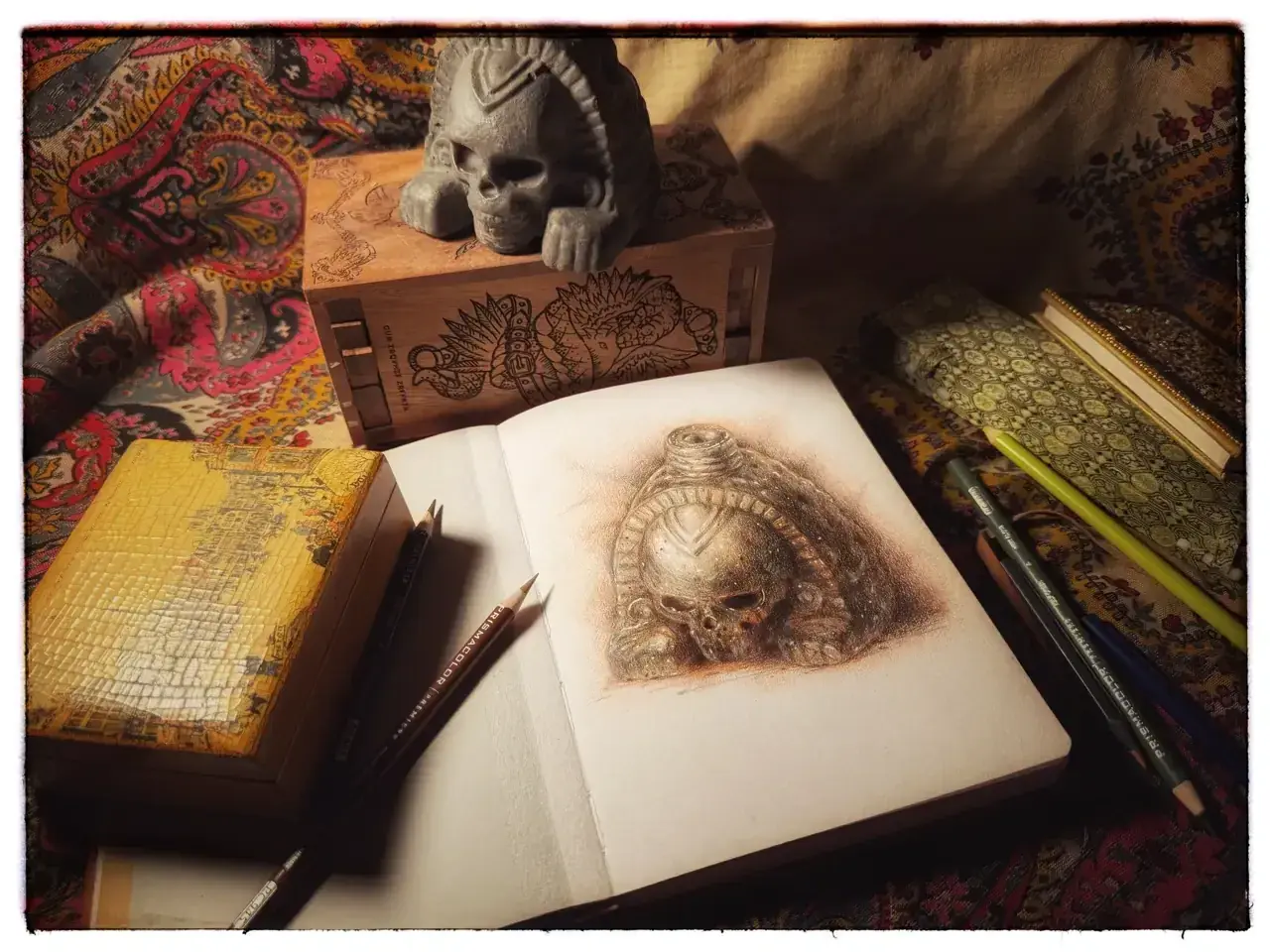
These doodle pages double as warm-ups before working through structured lessons. The consistency compounds. Five minutes a day, every day, and in a month your line quality will surprise you.
Creative Prompts: Play With Size, Shape, and Style
When you’re completely out of fun ideas, creative constraints spark more ideas than total freedom ever could. Conceptual prompts encourage inventing new subjects from imagination rather than waiting for inspiration to strike.
Try these:
- Play with scale: Draw a tiny person sitting inside a giant mug, or a massive cat sleeping on a miniature city.
- Mash animals together: Mash different animals together to create unique creatures: a cat-butterfly hybrid, a fox with peacock feathers, etc.
- Continuous line drawings: Try continuous line drawings to overcome perfectionism. Keep your pencil on the paper and never lift it. Techniques like continuous line and blind contour help improve observational drawing skills.
- Fill a page with tiny doodles to challenge your creativity. Set a goal of 50 micro-drawings on one sheet.
- Draw characters peeking through holes torn in the paper for fun creativity.
- Impossible Architecture: Design structures in unexpected environments: a castle growing from a teacup, a treehouse in a chandelier, etc…
- Humanize ordinary objects: Give a lamp or a toaster arms, legs, and facial expressions. Humanizing ordinary objects gives them personality and storytelling potential.
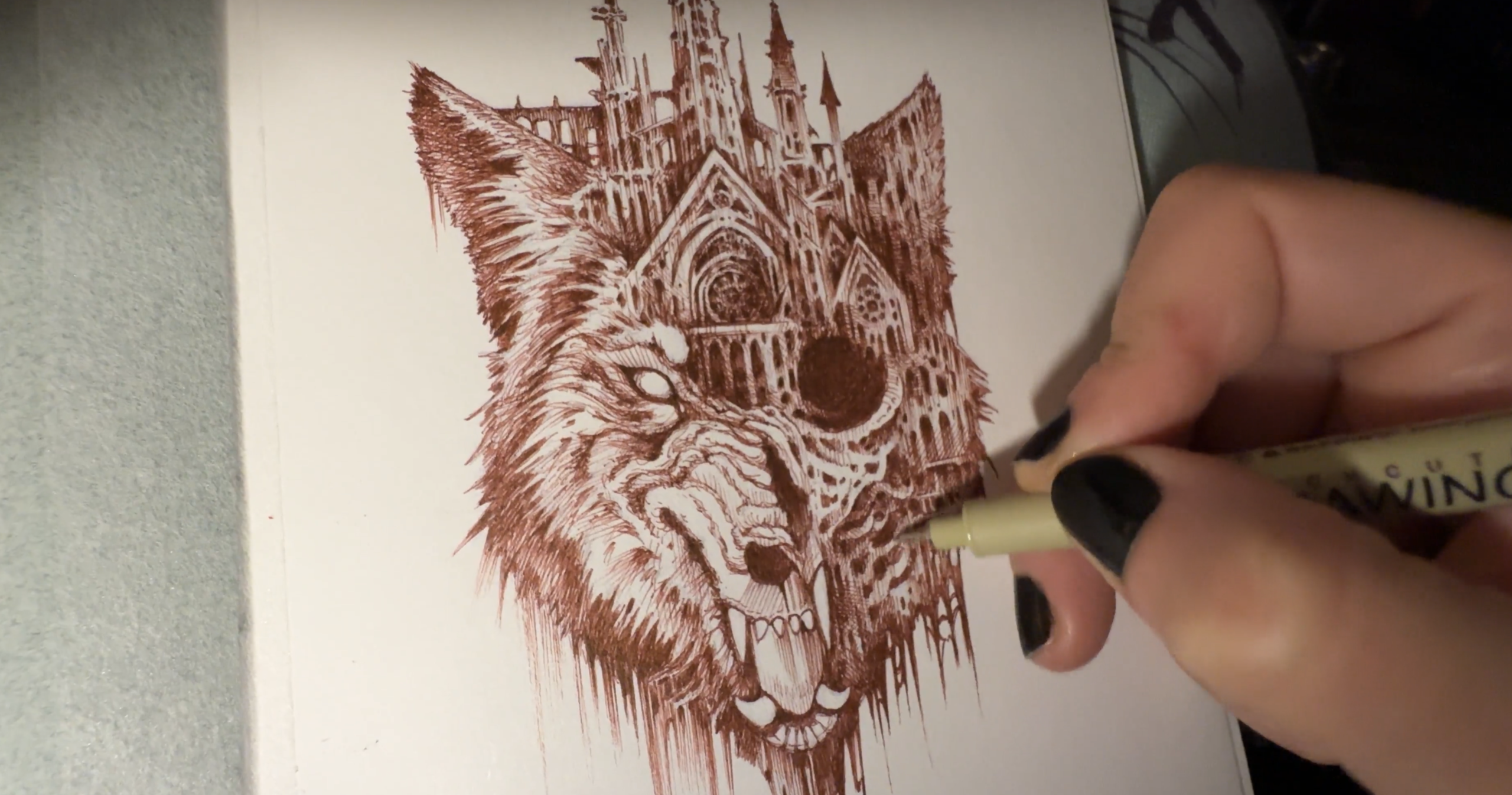
Experimenting with unusual viewpoints changes perception in drawing-try sketching a shoe from directly above, or a spoon from worm’s-eye view. Experimenting with styles can refresh your drawing skills, too: draw the same mug in cartoon style, then minimalist, then hyper-detailed. Surreal transformations in art create interesting visual narratives, so don’t be afraid to get weird. Create contrasting worlds within the same drawing, half underwater and half desert, to stretch your imagination. Exploring imaginative worlds sparks creativity in drawing practices more than any amount of staring at a blank page.
The It’s Easy To Draw Artisan program often uses prompts like these in live webinars to loosen up and break art blocks together as a group.
Colored Pencils, Grayscale, and Texture: Make Simple Drawings Pop
Even the simplest thing to draw can look stunning with thoughtful shading and color. This is where your own drawing starts to feel like real artwork.
Grayscale first: Start with just black, white, and greys. Technical skill builders like one-color value studies enhance understanding of tonal values before color complicates things. Draping fabrics over objects can help you analyze planes and shadow edges while you practice.
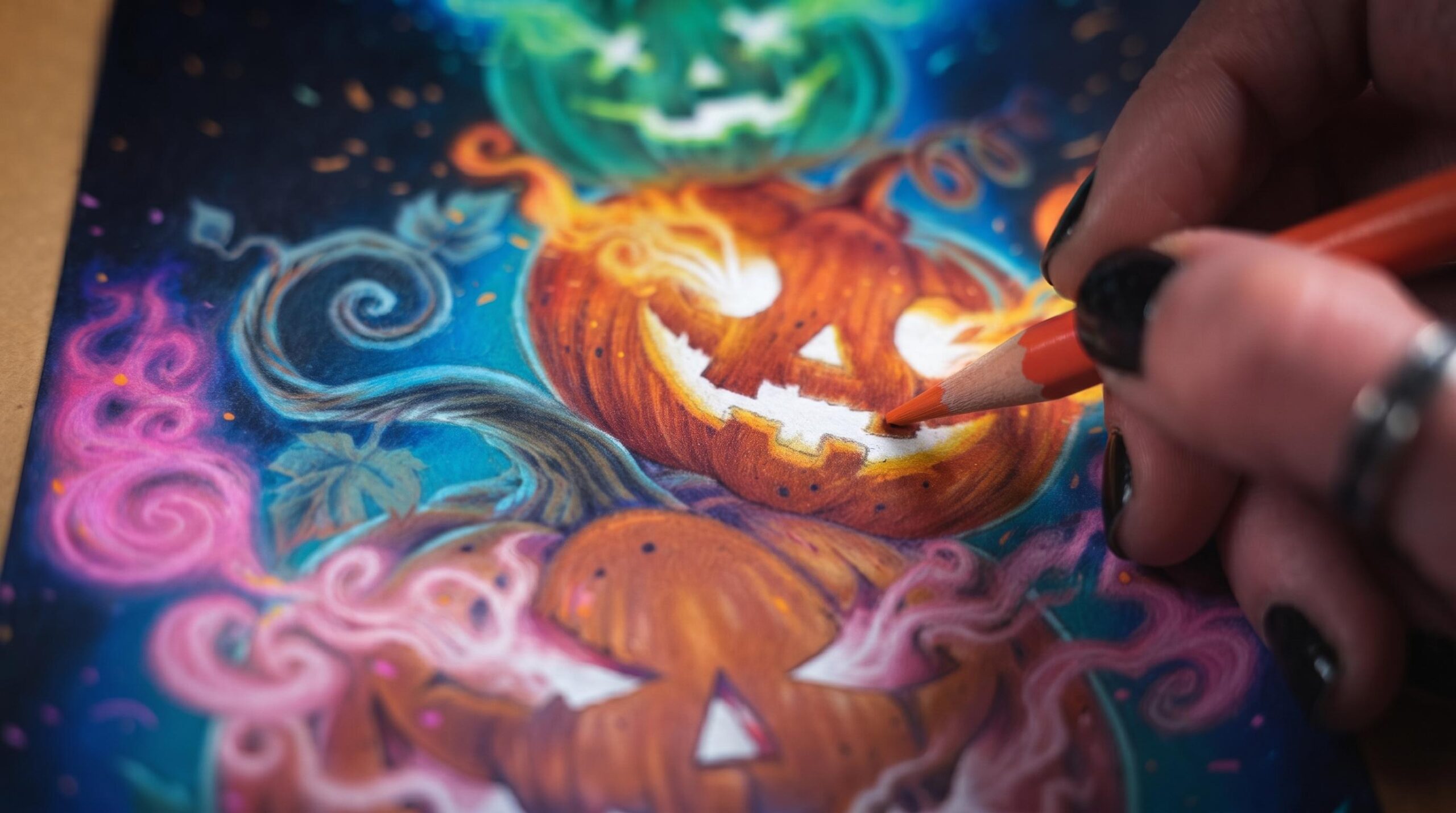
Colored pencil layering: Pressure control is everything-light layers build up slowly, giving you rich color without damaging the paper. The Colored Pencil Techniques guide covers these in detail.
Subjects to practice texture on:
Subject | What You Learn |
|---|---|
Metallic spoon | Smooth reflective surfaces, sharp highlights |
Transparent glass of water | Refraction, subtle distortion |
Shiny apple | Gradient transitions, soft reflection |
Wrinkled paper | Folds, cast shadows |
Candle flame | Glow effects, soft edges |
It’s Easy To Draw specializes in colored-pencil instruction, including courses on metallic surfaces and fantasy glow effects. Try drawing a subject first in simple pencil, then adding color in a second version to understand how value and color interact across different media.
Mood, Mindfulness, and Art Journaling Ideas
Here’s an interesting thing about drawing: it’s not just a skill drill. It can be a genuine mindfulness practice. Research published in 2023 found that mindful art reduces stress and improves mood in both beginners and experienced creators-even in short sessions.
Try keeping a dedicated art journal where each page records the day’s mood using simple symbols: storm clouds for anxiety, a sun for contentment, tangled lines for confusion, calm waves for peace. Drawing emotions as landscapes translates abstract feelings into physical layouts you can revisit and reflect on.
Zen doodles and zentangle style pages filled with repetitive patterns,lines, dots, spirals work as quiet, meditative exercises. The repetition calms the mind in a way that freeform drawing sometimes doesn’t.
Date-stamp every page. Over weeks and months, patterns emerge. You’ll notice which days felt heavy, which felt light, and how your line quality shifted with your mood. This is drawing as a visual diary of your life, not just a portfolio of pretty pictures.
Learning From Other Artists Without Losing Your Voice
Looking at other artists is one of the best ways to get more ideas and improve faster. But there’s a difference between studying and losing yourself in comparison.
Here’s how to explore other artists’ work productively: copy pieces for practice, paying close attention to line quality, shapes, and composition. Analyze what draws your eye. Is it their color choices? Their line weight? Their simplicity or their detail? Then adapt those elements rather than replicating them wholesale.
Find inspiration offline too: public libraries, local galleries, sketching people in cafés, and print art books. These experiences build your visual library in ways that scrolling Instagram can’t. In the It’s Easy To Draw community gallery you will find works by real adult art students of every skill level.
Always credit original artists when sharing studies. And remember: your style develops by mixing multiple influences through the filter of your own hand. The goal isn’t to draw like someone else. it’s to learn from everyone and sound like yourself.
Community and the Power of Drawing With Others
You’ve probably heard the idea that you are most like the five people you spend the most time with. This applies to your artistic journey too. If the people around you create art, you’ll create more art. If they push themselves, you’ll push yourself. It’s that simple.
An active artist community gives you shared prompts, accountability, honest feedback, and consistent inspiration from seeing other people’s sketchbooks. You stop feeling like you’re doing this alone-because you’re not.
The It’s Easy To Draw Academy’s Artisan program is built around exactly this. It includes live webinars where you draw alongside a virtual instructor and other students in real time, group critiques, themed challenges, and ongoing discussions in the community section. Picture this: Lisa presents a subject, say, a Halloween pumpkin, and walks everyone through it step by step. After the session, students post their results. Lisa and peer artists comment on proportions, shading skills, line work, texture. You get real feedback from real people who are interested in the same craft.
The benefits are enormous: motivation, shared progress, exposure to different types of approaches. And it’s all at no additional cost beyond the artisan membership. If you don’t have a creative circle yet, build one, online or offline. Surround yourself with people who make art, and watch what happens to your own creativity.
Planning a Personal “Things to Draw” Challenge
Turn this entire list into a structured challenge. Grab a dedicated sketchbook, pick 30 to 50 prompts from the categories above-objects, animals, faces, Halloween motifs, abstract patterns-and commit to one drawing per day.
Here’s a sample structure for a 30-day challenge:
- Days 1–5: Simple objects (mug, leaf, shoe, bottle, candle)
- Days 6–10: Animals (cat, dog, bird, fish, fox)
- Days 11–15: Faces and features (eyes, nose, mouth, full face, expression)
- Days 16–20: Halloween themes (pumpkin, bat, skull, haunted house, potion bottle)
- Days 21–25: Creative prompts (hybrid creature, continuous line, tiny doodle page, unusual viewpoint, impossible architecture)
- Days 26–30: Redraw Days 1–5 subjects
That last part is important. Redrawing old artwork shows progress over time, and redrawing old artwork to see your progress over time is the most motivating thing you can do for yourself. Artistic challenges and structured prompts help build confidence and skills in artists at every level.
Date every page. Keep short notes on what felt difficult, what felt fun, what you want to explore more. Occasionally draw from imagination instead of reference to test your visual memory.
The It’s Easy To Draw community often runs seasonal challenges, joining them keeps motivation and accountability high. You can browse drawing ideas and prompts on the website for even more inspiration.

Final Thoughts: Keep Drawing, Keep Looking, Keep Playing
The best way to find a great subject is to draw regularly, stay curious, and let the ordinary objects of daily life become art. A mug on your table. A crumpled receipt. The view from your window. Every one of them is a great place to start and a great reason to pick up your pencil.
Easy drawing ideas and basic shapes aren’t “just for beginners.” They’re lifelong tools used by professionals to plan every final drawing. Keep a journal. Explore new drawing techniques. Join a community. Revisit old sketches to measure growth. That’s how you enjoy drawing for the rest of your life, not just today.
If you want structured, step by step guidance and a supportive group of other artists cheering you on, explore It’s Easy To Draw’s courses and the artisan program. Your sketchbook is waiting. Fill it.