
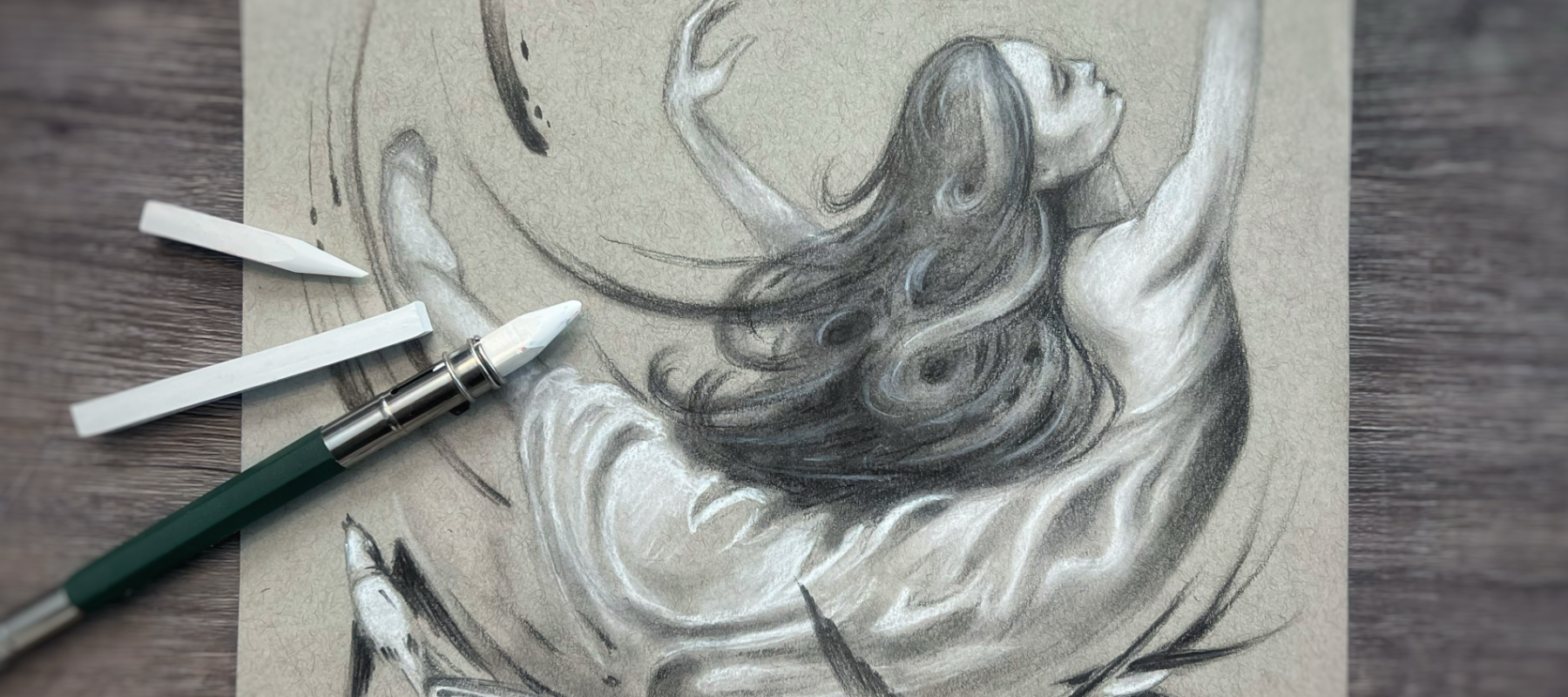
The foundation that every other drawing skill depends on.
About this course
Everything starts here. This course builds the foundation that every other drawing skill depends on. Lisa covers tools, freehand technique, basic shapes, the grid method, freehand drawing from reference, and creating original art from collage. Each module builds on the last, and every lesson has a hands-on exercise.
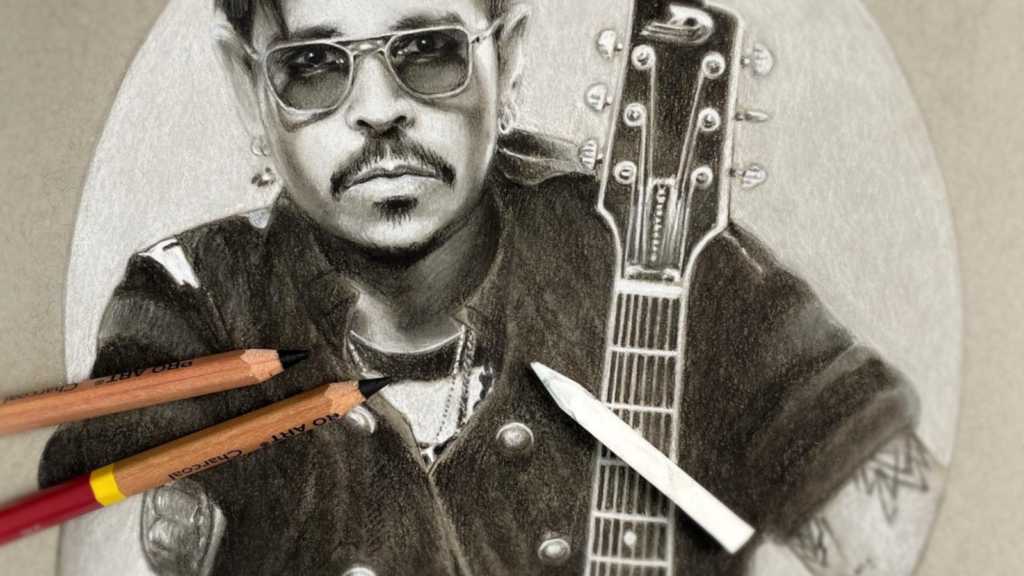
You will go from understanding your tools to producing original compositions with consistent lighting and shading. The bonus content includes a 13-part labyrinth ballroom drawing and a 9-part Jimi Hendrix charcoal portrait.
This course is where I teach the habits and skills that every other drawing course relies on. It moves in a deliberate order: first your tools, then your hand, then shapes, then accurate transfer, then freehand observation, and finally original work. Each stage gives you something the next one needs, and every lesson ends with something to practice.
Drawing Tools covers the graphite grading scale, the many types of charcoal, sketching with a colored pencil, choosing paper, setting up your drawing surface and getting your lighting right. Steps Involved In Free-Hand Drawing introduces the drawing pyramid and gets your hand loose, explaining why sketching matters, how drawing differs from sketching, what shading accomplishes and how much detail you actually need. Lines and circles practice keeps it physical.
Drawing Basic Shapes moves into symmetry, 3D shapes and how light affects form, including how to sculpt with charcoal. Then the grid method gives you a dependable way to transfer a reference: making a grid on a photo, copying it to a new page, outlining block by block, and hiding the grid lines. That module also teaches smooth gradient transitions and edge to edge shading. With accuracy in place, Free-Hand Drawing From A Reference loosens the scaffolding. You sketch in charcoal, make shading decisions that control your style, learn when sharp edges are fine, and assess your photo against your drawing.
The last module, Using A Collage To Create Personal Art, shows you how to move beyond copying. You do visual research, scale and arrange elements, apply composition principles and keep lighting consistent across pieces that came from different sources. Two bonus projects then let you apply it all at length: a 13-part labyrinth ballroom drawing and a 9-part Jimi Hendrix portrait in charcoal.
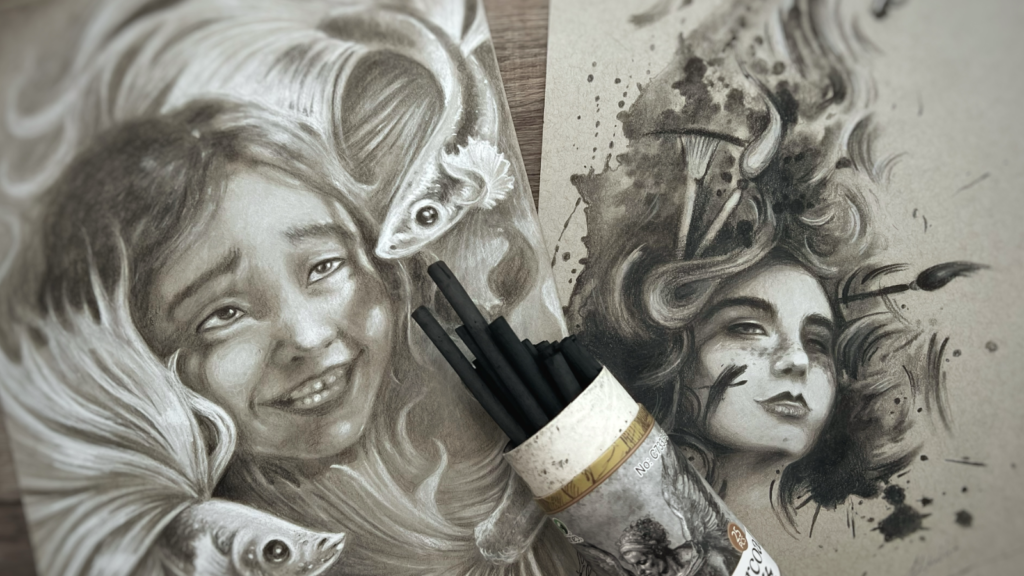
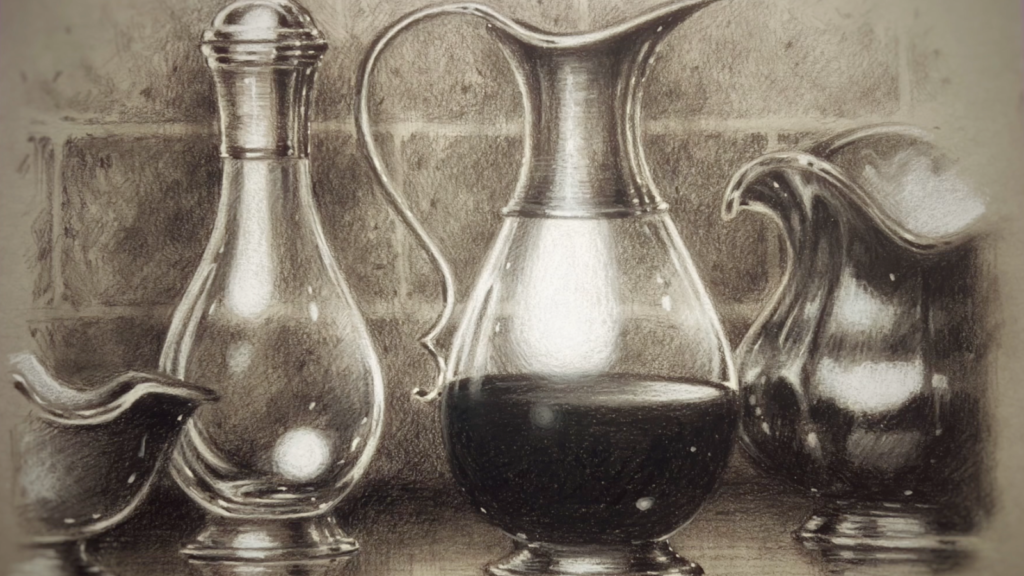
What you'll learn
- Choose and use the right drawing tools, paper, and lighting setup
- Sketch freehand with loose, confident strokes
- Draw basic and 3D shapes with accurate symmetry and shading
- Transfer any reference photo to paper using the grid method
- Create original compositions from collage with consistent lighting
Inside the course
- Understanding The Graphite Grading Scale
- The Many Types Of Charcoal
- Using A Colored Pencil To Sketch
- The Right Paper For Drawing
- Your Perfect Drawing Surface
- Personal Space And Time
- Pick Your Tools
- The Ideal Lighting For Drawing
- The Drawing Pyramid
- How To Loosen Your Hand
- Why Sketching Is So Important
- How Is Shaping Different From Sketching
- What Does Shading Accomplish
- How Much Detail Is Needed
- Practice Exercises
- Sketching And Symmetry
- Sketching 3D Shapes
- How Light Affects Shapes
- Get Your Hands Dirty
- How To "Sculpt" With Charcoal
- Practice Exercises
- The Grid Method Mechanics
- Make A Grid On A Photo
- Copy The Grid To A New Page
- Block By Block Outline
- Hiding Or Removing The Grid Lines
- A Smooth Gradient Transition Technique
- Edge To Edge Shading
- Final Details And Cleanup
- Grid Drawing Assignment
- How To Use A Reference Image
- Freehand Sketching With Charcoal
- Control Your Style With Shading Decisions
- When It's OK To Have Sharp Edges
- Tips To Control The Amount Of Detail ▶ Preview
- Photo Vs Drawing Assessment
- Freehand Drawing Assignment
- How To Use A Collage To Create Original Art
- Tell A Story With Your Art
- Do Visual Research
- Scale And Arrange Elements
- Proven Composition Elements
- How To Manage Consistent Lighting
- Collage Assignment
- Labyrinth 1
- Labyrinth 2
- Labyrinth 3
- Labyrinth 4
- Labyrinth 5
- Labyrinth 6
- Labyrinth 7
- Labyrinth 8
- Labyrinth 9
- Labyrinth 10
- Labyrinth 11
- Labyrinth 12
- Labyrinth 13
- Jimi 1
- Jimi 2
- Jimi 3
- Jimi 4
- Jimi 5
- Jimi 6
- Jimi 7
- Jimi 8
- Jimi 9
Who it's for
- Complete beginners who want a structured starting point rather than scattered tips.
- Self-taught artists who suspect their foundations have gaps in shading, proportion or composition.
- Anyone who wants to learn the grid method properly before moving to freehand work.
- Artists who want to work in graphite and charcoal and eventually make original compositions.
- Artists who learn best by doing, with a hands-on exercise after every lesson.
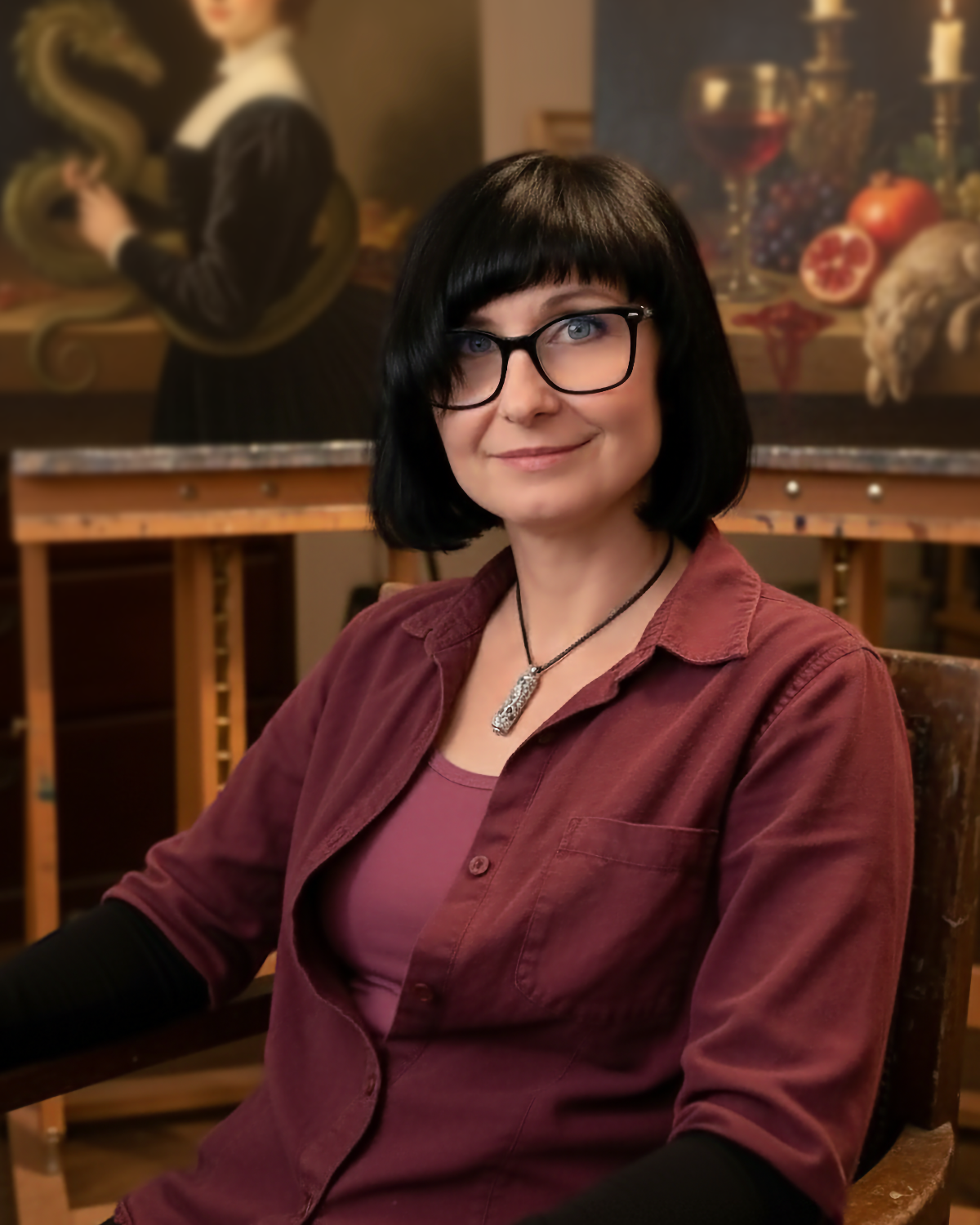
Your instructor
I'm Lisa Mitrokhin. I've been drawing since I was three years old, I have a master's degree in fine art, and I've taught in real classrooms, online, in groups, and one-on-one. I teach the way the artist brain learns: I show you the one thing to focus on, you try it, and then we move on to the next thing.
Questions about The Fundamentals Of Drawing
Why learn the grid method before freehand drawing?
The grid breaks a reference into small blocks so you can focus on shapes and shading without fighting proportions. Once you have done that, the freehand module asks you to sketch from a reference with less support, and the habits from the grid, block by block observation and edge to edge shading, carry over.
What is the collage approach to original art?
Instead of copying one photo, you gather visual research, then scale and arrange elements from several sources into a new composition. The hard part is making it look like one scene, so I cover proper composition elements, telling a story with your art, and how to manage consistent lighting across all the pieces.
Which drawing materials does the course focus on?
The Drawing Tools module covers the graphite grading scale, the many types of charcoal and using a colored pencil to sketch, along with paper and drawing surfaces. Charcoal features heavily in later lessons, including sculpting shapes, freehand sketching from a reference, and the bonus Jimi Hendrix portrait.
How long is The Fundamentals Of Drawing?
67 video lessons, about 9h 51m of teaching in total, across 8 modules. It's a beginner course.
Can I buy just this course?
Yes. Every course is sold on its own and is yours to keep. If you want more than one, Artisans get a big discount on every course, live coaching with me, and a community of artists to draw with. See everything Artisans get →
Do I need expensive supplies?
No. I teach with commonly available brands. Artisans also get the Palette Vault, with brand and color number references so you can follow along with the pencils you already have.
Where do I watch the lessons?
On the academy at academy.itseasytodraw.com, from any web browser on any device.
Artisans get this course for half price.
Keep going
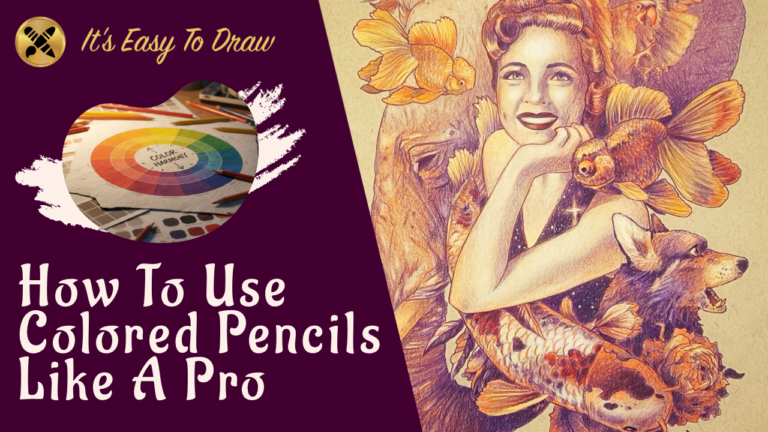 $197
The complete colored pencil foundation, from first stroke to finished project.
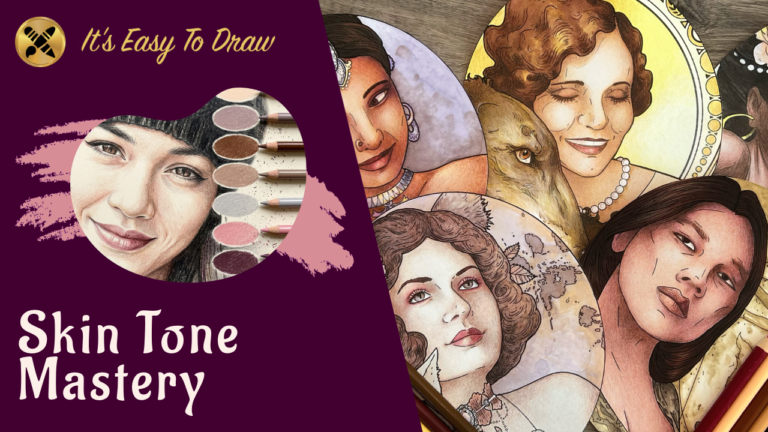 $197
Five complete skin tone systems from first pencil to final detail.
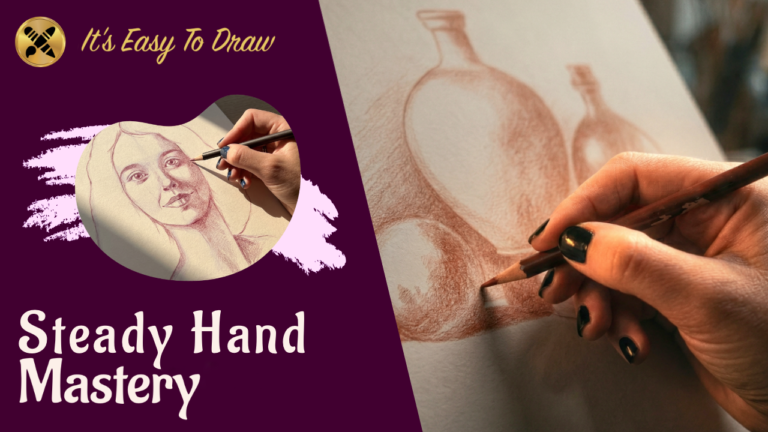 Free
Build the pencil control and observation skills that make everything else possible.