For the full skill-building roadmap, start with how to get better at drawing. This piece distills the same principles into seven memorable rules you can keep in your back pocket.
Learning to draw is a skill built on fundamental principles rather than innate talent. If you’ve ever believed you “just can’t draw,” this guide is about to change that. The rules of drawing aren’t mysterious secrets held by gifted artists. They’re practical habits anyone can learn. Whether you’re picking up a pencil for the first time or returning after years away, these core principles will help you create work you’re actually proud of.
The 7 Core Rules of Drawing
Most drawing problems stem from missing or weak fundamentals, which can lead to flat drawings and broken anatomy. Once you understand the rules, everything else clicks into place. These seven drawing rules form the foundation of everything we teach at It’s Easy To Draw, and they’ll transform how you approach every sketch, from a quick coffee break doodle to a finished piece.
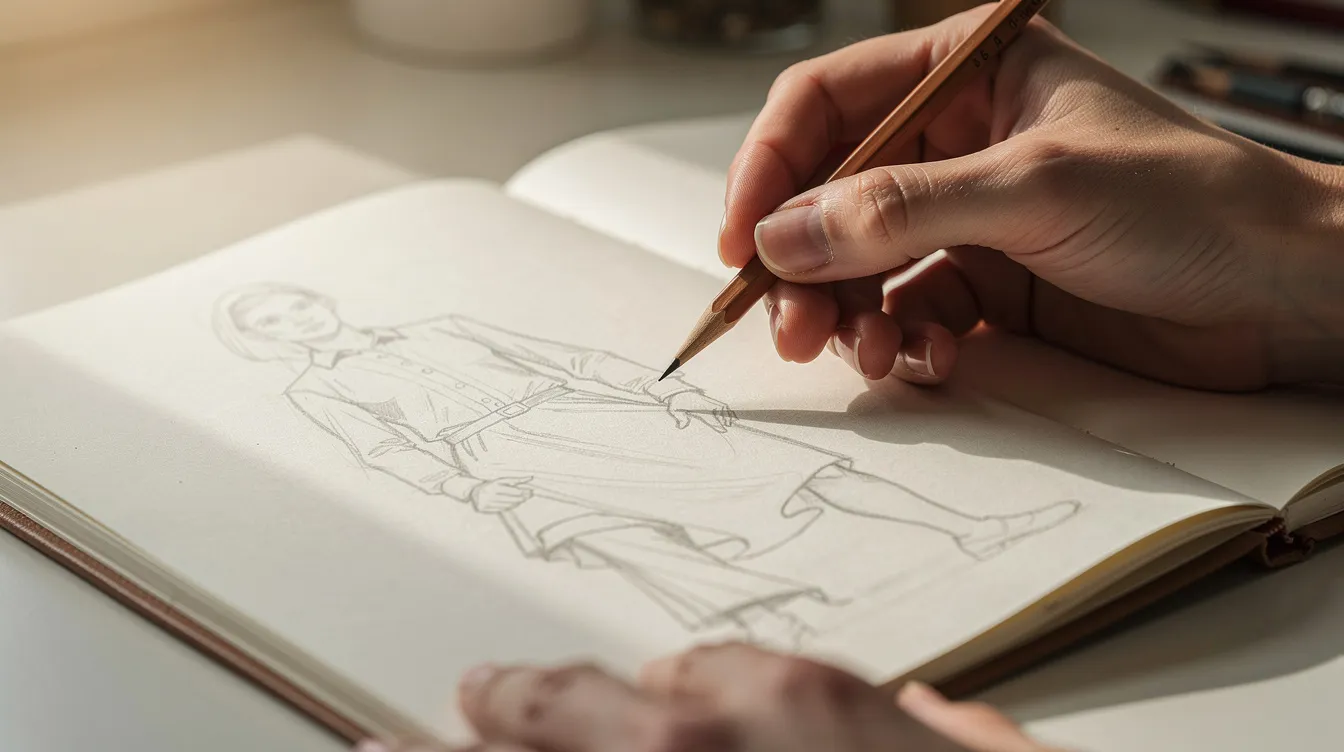
Rule 1: Draw what you see, not what you think.
Your brain carries a “symbol library” of generic images of eyes, noses, and trees that have nothing to do with reality. When you draw a coffee mug on your desk, squint to see the actual shape and angles rather than sketching the “idea” of a mug. Train your eye to notice that the handle isn’t a perfect oval and the rim creates an ellipse, not a circle. This is observation, the single most important habit in drawing.
Learn more: see the observation section of Foundation in Drawing.
Rule 2: Begin with basic shapes.
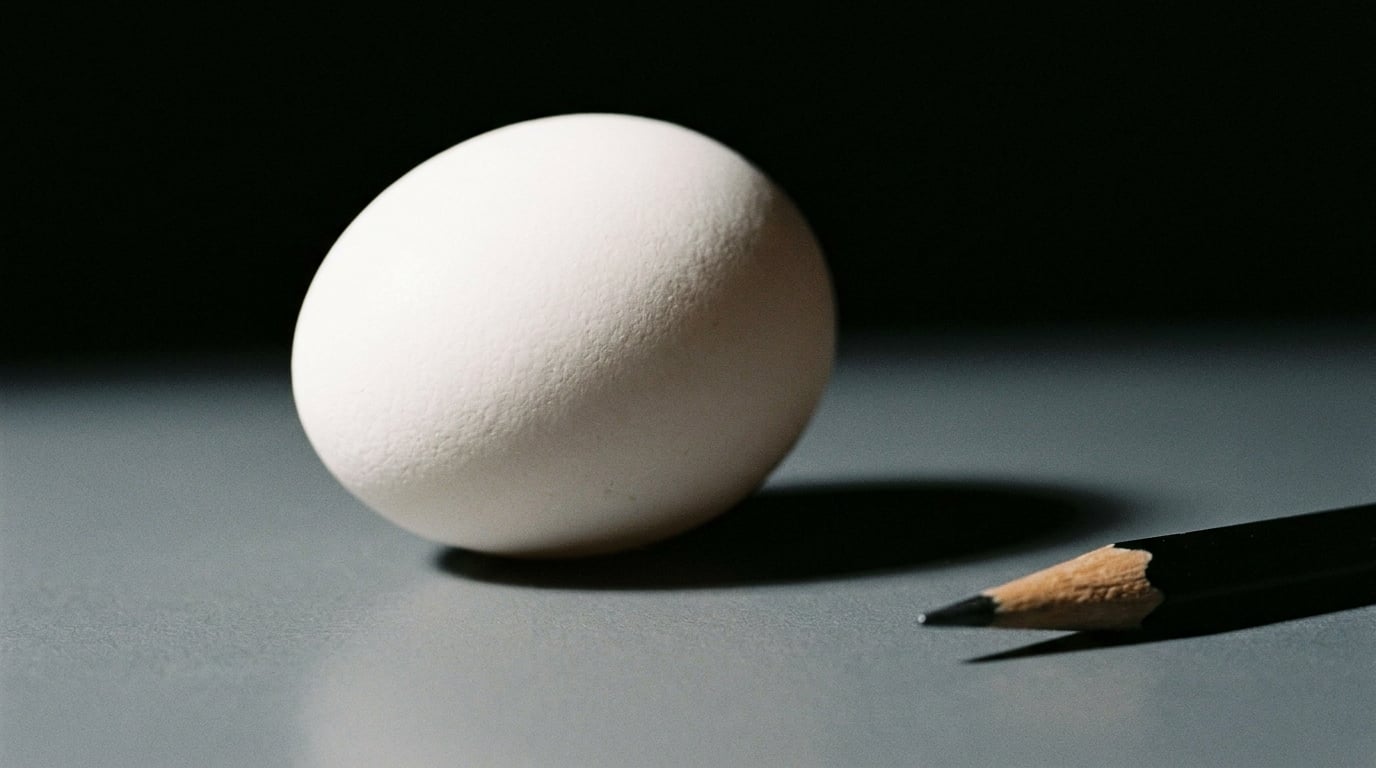
Every complex subject breaks down into simple forms. A smartphone becomes a rectangle with rounded corners. A chair is cubes and cylinders stacked together. A human head is a sphere with a wedge-shaped jaw attached. This method makes any subject manageable, no matter how intimidating it looks at first glance.
Learn more: see the shape and form sections of Foundation in Drawing.
Rule 3: Keep your lines light and loose at first.
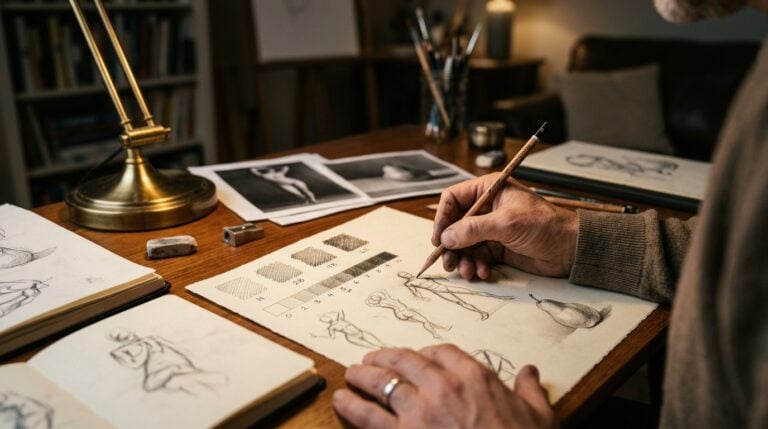
Sketch lightly at first to establish proportions, allowing for corrections before committing to dark lines. Use an HB or 2B pencil and let your hand glide across the paper. Drawing from the elbow and shoulder creates longer, smoother lines than wrist-driven marks, preventing the shaky, scratchy lines that plague beginners.
Learn more: see exercises 1 and 2 in Best Drawing Exercises.
Rule 4: Work from big to small.
Many beginners focus on small details too early, which leads to incorrect proportions. Start with large shapes, refine them, add shading, then add small details last. For a portrait, block in the head shape and tilt first, place features second, and save eyelashes and pores for the very end.
Rule 5: Use references generously.
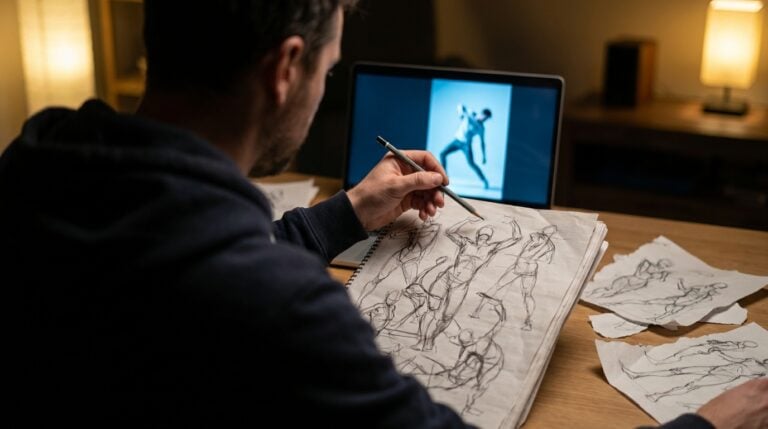
Using references is essential for learning to draw accurately. It helps you identify mistakes and improve observational skills. Pull photos from your travel album, sketch people at a café, or work from reference photo collections online. This isn’t cheating. It’s how professionals work and how you build visual memory over time.
Rule 6: Practice regularly, not perfectly.
Practicing with a timer (15 to 20 minutes for both study and fun projects) builds memorization and skill retention. Think of it like going to the gym: consistent short sessions beat occasional marathons. Daily practice, even just ten minutes, beats sporadic three-hour sessions.
Learn more: see Drawing Is Fun for how to actually stick with a daily practice.
Rule 7: Finish more drawings than you abandon.
Challenge yourself to complete one small drawing per day for 30 days. It doesn’t need to be perfect. It just needs to be done. Finishing builds confidence faster than any other method, because you stop treating each sketch as a referendum on your worth as an artist.
At It’s Easy To Draw, we structure all our beginner courses around these seven rules so students don’t get lost in theory.
From Rules to Personal Style
Style isn’t a separate skill. It’s the natural outcome of applying the rules of drawing over time. Your unique style emerges from thousands of small decisions made while practicing fundamentals.
You don’t need to chase a distinctive look right now. Your preferences in subjects, lines, values, and composition will evolve as you experiment and create. After 3 to 6 months of consistent practice with these rules, artists usually notice recurring habits, like a particular way of handling lines, favorite subjects, and characteristic value contrasts that hint at their emerging voice.
Schedule experimentation days: once a week, break one rule on purpose. Exaggerate proportions. Push gesture to the extreme. Distort major shapes just to see what happens. This is where fun meets progress, and where your personal artistic identity begins to take shape.
Pick one rule today and spend 20 minutes applying it to a real object or pose in front of you. That single session, repeated consistently, will transform your ability to draw things you once thought impossible.