Sustainable practice is one of the six pillars of getting better at drawing. This piece zeroes in on the mindset side: how to actually enjoy the process so you stick with it.
Ever wonder why some people sketch daily while others let their sketchbook collect dust? The secret isn’t talent; it’s enjoyment. Drawing fun is the fuel that keeps any art practice alive, whether you’re 8 or 80. When creating feels like play instead of homework, you’ll keep showing up, and that’s where real progress happens.
Why Drawing Fun Matters More Than “Being Good”
Here’s the truth most people don’t want to hear: if you hate the process, you’ll quit, and that’s true of anything. Drawing is a universally beloved activity that serves as an accessible, low-cost, and therapeutic tool for expression, relaxation, and cognitive stimulation across all age groups. But that magic only works when you actually enjoy drawing.
Improvement happens through repetition. The artists who develop real skills aren’t the ones chasing flawless lines from day one. They’re the ones who keep showing up because making art feels rewarding. The act of drawing triggers a release of dopamine in the brain, leading to feelings of enjoyment and a meditative flow state during the creative process.
Consider how sketchbook challenges exploded in popularity. Inktober, started by artist Jake Parker in 2009, grew from a personal challenge into a global phenomenon with millions of participants. Why? Because it framed drawing as a fun, social game rather than a test of ability. Engaging in art-making can significantly lower cortisol levels in your body, providing a quick escape from everyday stress.
Fun fact: I’ve taken part in Inktober several times and even published books featuring the art I created during those challenges. I really enjoyed the daily practice, and to make it more interesting, I accepted commissions from the It’s Easy To Draw community (then called TALM), drawing members along with their friends and pets doing the activities they requested.
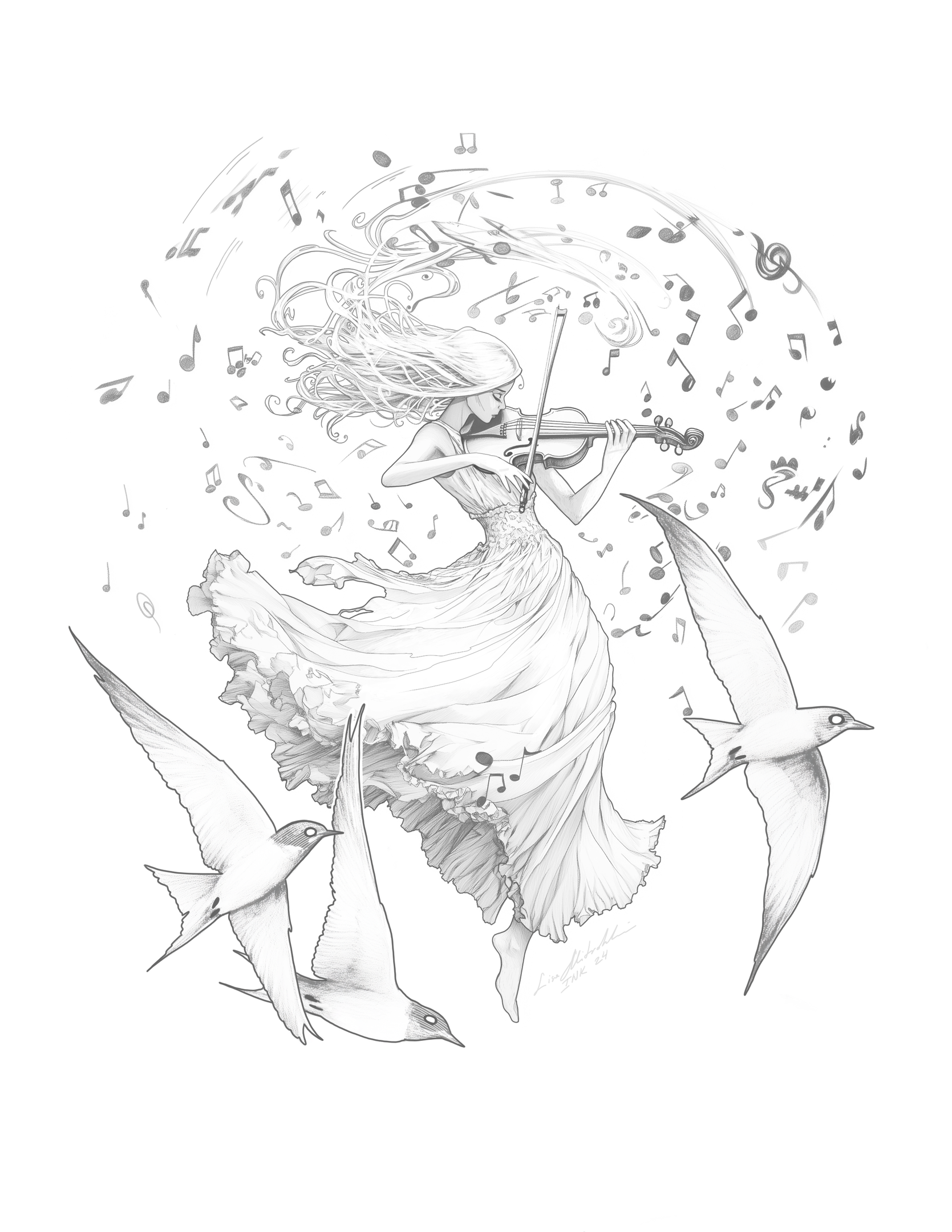
The moment you focus only on perfect anatomy, perspective, or “correct” technique, your inner critic wakes up. Suddenly, every sketch becomes evidence of your inadequacy instead of a moment of creativity. This article will show you specific ways to enjoy drawing, calm that critic, and make your art practice feel fun again — even on busy weekdays.
“The artists who improve the most aren’t the ones chasing flawless lines. They’re the ones who keep showing up because drawing feels like play.”
Small Wins: Turn “I Should Draw” Into “I Can’t Wait To Draw”
Big goals like “I’ll be a professional artist by 2028” feel impossibly distant. Your brain basically shrugs and says, “Cool, but what’s in it for me right now?” Tiny drawing wins, though? Those feel immediately rewarding.
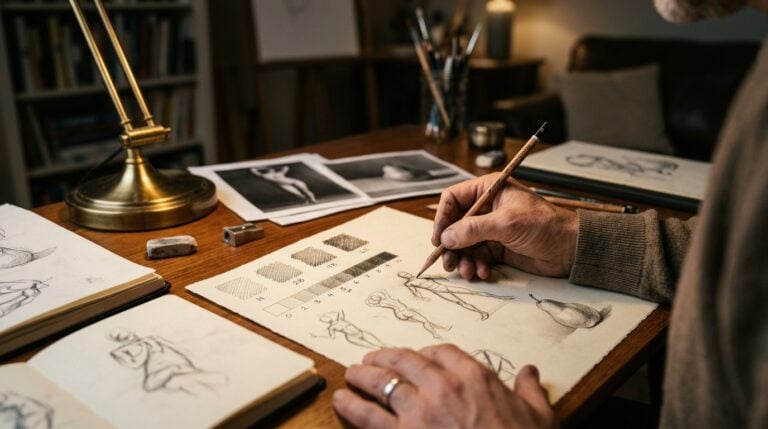
Focusing on small, achievable goals can help maintain enjoyment in drawing, as it allows you to feel confident and empowered through consistent practice. Forget vague intentions like “I should draw more.” Instead, try this: draw for 10 minutes after dinner every Tuesday and Thursday, starting this week. Beginning with just a pencil and paper can reduce setup and cleaning time, removing another barrier between you and your sketchbook.
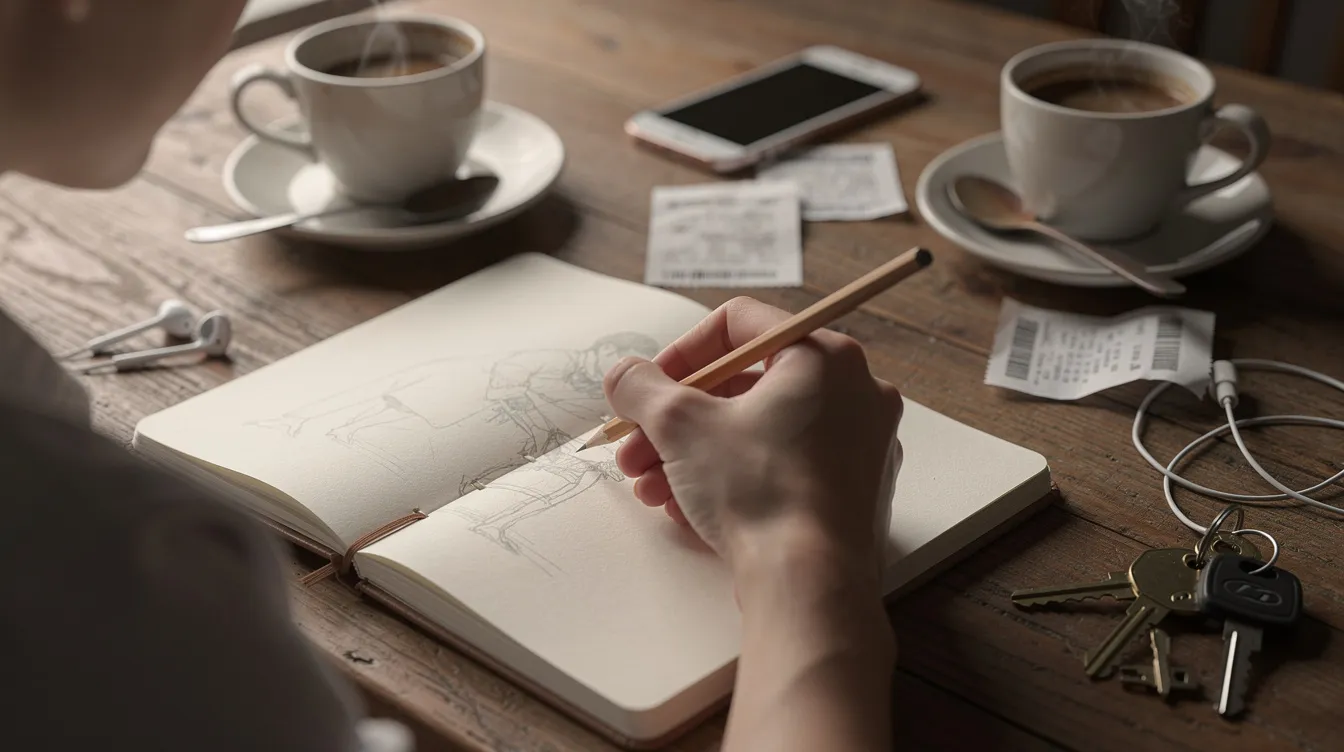
Imagine a 30-day “tiny sketch” streak in June. The rules are simple: spend 5–10 minutes daily drawing small subjects like your coffee mug, keys, subway passengers, or your plant. Each sketch fits in a small corner of your page. Starting with basic shapes rather than complex projects can help you avoid feeling overwhelmed. By month’s end, you’ll have 30 little drawings showing subtle improvements—and more importantly, you’ll have built a habit.
Participating in quick drawing challenges can keep drawing sessions fun and engaging. Try checking off a small daily box in a paper calendar. Your brain learns to associate drawing with achievement and pleasure. Small wins quiet the inner critic because the goal shifts from “produce a masterpiece” to simply “show up and draw.”
Try this week: Pick two weekdays. Commit to 10 minutes after dinner with your sketchbook and a pencil. Choose one micro-theme (kitchen objects, shoes, stuff in your bag). Put a sticky note where you’ll see it after eating.
I learned something valuable from one of Adrian’s friends in the US Special Forces. Before every mission, there’s always some apprehension. Despite their rigorous training, they know the stakes are high. To counter the tension, they use a clever trick: fake excitement. They pretend to be excited about the mission, and soon that excitement becomes real and contagious. It reminded me of a childhood game where everyone lies on the ground, heads on each other’s stomachs, and one person starts with a “ha,” then the next says “ha ha,” until the whole group is genuinely laughing.
This taught me that you can actually trick your brain into discipline and positivity with simple mindset shifts like this.
Follow Your Curiosity: Draw Things You Actually Care About
You’ll enjoy drawing more when your subjects match your real interests: video games, houseplants, sneakers, street scenes, manga characters, literally anything that makes your brain light up. Drawing subjects that genuinely interest you can prevent burnout and keep the process enjoyable, because forcing yourself to draw uninteresting topics leads to lost motivation. (Don’t let that be an excuse not to do the exercises, though…those are like warming up before strenuous activity. They’re not the actual meal, just the appetizer.)
For fandom lovers: Artists often feel compelled to draw subjects they’re passionate about, using art as a medium to express feelings and ideas that words cannot capture. Love anime? Fill a page with your favorite characters showing different expressions. Into comics? Design your own superhero costume. Play video games? Sketch environments from your favorite world. Try to capture the emotions that you feel around the things you love.
For nature enthusiasts: Draw things like local birds, January bare trees, or your favorite hiking trail from memory. Even simple silhouettes of animals teach proportion and movement. Drawing allows individuals to experience a sense of freedom and fulfillment by creating whatever they want, which can be immensely satisfying.
For city dwellers: Imagine sitting in a café and filling a sketchbook page with the cups, chairs, and people in front of you. Focusing on subjects immediately around you, such as food or pets, allows for easy practice and integrates art into your daily routine.
For object lovers: A sneakerhead (that’s a word, right?) might sketch different pairs from their closet. A stationery enthusiast could draw their favorite pens arranged on their desk.
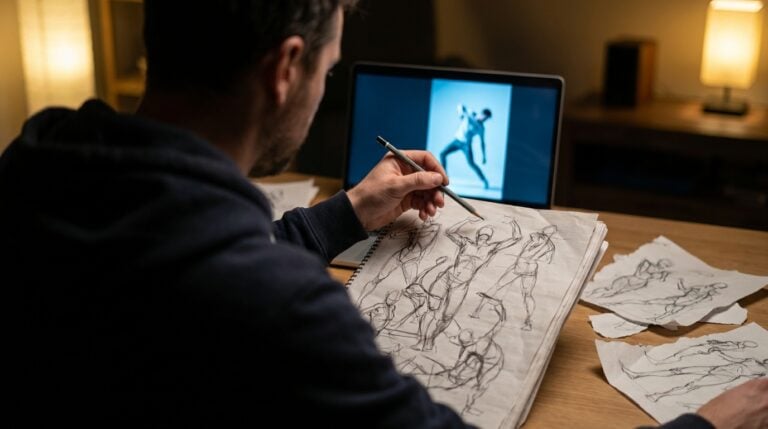
For people watchers: Try quick gesture sketches of folks walking past. Give yourself 20 seconds per figure, but no pressure. Partial sketches are still good practice. Do arms, or heads, or how people’s legs would look if you froze them mid-stride.
Of course, fundamentals are important. However, forcing yourself to draw subjects you dislike just because you think “they’re important” can wait. Try alternating between “fun drawings” and “study drawings.” For example, you could have Fun Friday and Study Sunday, so your art practice feels balanced and enjoyable instead of like a chore.
Quieting The Inner Critic So You Can Enjoy Drawing
Picture your inner critic as a grumpy voice that compares today’s sketch to a polished 2026 Instagram post by a pro artist. It doesn’t understand that you’re seeing someone’s highlight reel, not the years of messy practice behind it.
The critic gets louder when you scroll social media without context. You see finished illustrations and wonder why your lines look terrible. But honestly, that polished piece probably took hours and followed thousands of failed sketches you’ll never see. Creating art is often associated with problem-solving, which can be enjoyable as artists work to get proportions right and push their creative boundaries.
Creating intricate patterns or simple doodle drawings helps beginners relax and develop fine motor control without the pressure of producing a masterwork. Drawing offers a safe way to express difficult emotions that may be hard to articulate with words. Here are tactics that work:
- Time-limited sketches: Try 2-minute gesture drawings. When the timer’s running, there’s no time for your brain to criticize. You’re too busy capturing the figure.
- Blind contour drawing: Look at your subject and draw without looking at the paper. The result will be wonky. That’s the point.
- Cheap materials: Use a basic biro and printer paper instead of expensive supplies. Lower stakes mean less pressure.
- Write a script: At the top of your page, write “This page is for experiments, not masterpieces.” It sounds silly, but it works.
Think of drawing sessions like science experiments you did back in school. You’re collecting data and learning, not proving your worth. Experiments never fail because they always give you information to use in the next experiment. Drawing allows individuals to express their personality and convey messages that are unique to them, creating a sense of ownership over their artistic output.
Playful Exercises That Make Drawing Fun Again
Playful exercises train skills indirectly while keeping the mood light and game-like. There are no grades, and there is no judgment. Give yourself permission to just play.

Exercise 1: “20 Things” Page Fill a page with 20 tiny drawings of random objects from your desk: pens, USB sticks, headphones, paperclips, whatever…in under 20 minutes. It’s basically a visual scavenger hunt. Ever notice how kids just draw whatever comes to mind and are always happy with the result? Drawing helps develop fine motor skills in children and provides a way to explore their imagination, but adults benefit just as much from this kind of freeform play.
Exercise 2: Memory Shoes Observe your shoes for 60 seconds. Then close your eyes and draw them from memory, accepting wonky lines as part of the fun. Drawing improves memory and acts as a relaxing, therapeutic, and (at times) social activity for adults and seniors alike.
Exercise 3: Scribble Swap On a Sunday, you and a friend each make random scribbles on half a page, then swap. Turn the other’s scribble into a character, creature, or landscape. Challenging yourself in drawing can enhance enjoyment; just as in gaming, facing tougher challenges can make the experience more rewarding and engaging.
Exercise 4: Seasonal Prompts October monsters. December cozy rooms. July beach scenes. Pick specific months and themes to keep things concrete. Visualizing your success in drawing can help maintain motivation and enjoyment in the process, as it allows you to focus on the journey rather than just the end result. We do this in It’s Easy To Draw, where each month has a theme that combines a skill for members to learn and a theme where they can apply it.
Exercise 5: Shape Transformation Draw random circles, triangles, and blobs. Challenge yourself to turn each into something recognizable without erasing the original shape. It’s like a game for your imagination.
Making Drawing Social: Finding Your People
Drawing fun multiplies when you share it instead of sketching alone and hiding your work. Finding a community of like-minded individuals who appreciate your artistic interests can enhance the self-expression experience, providing support and validation for your creative endeavors.

Ways to find your tribe: local urban sketching meetups on Saturdays, school clubs, community center classes, or online hashtag challenges. You don’t need a formal course — just people who connect over the same creative spark.
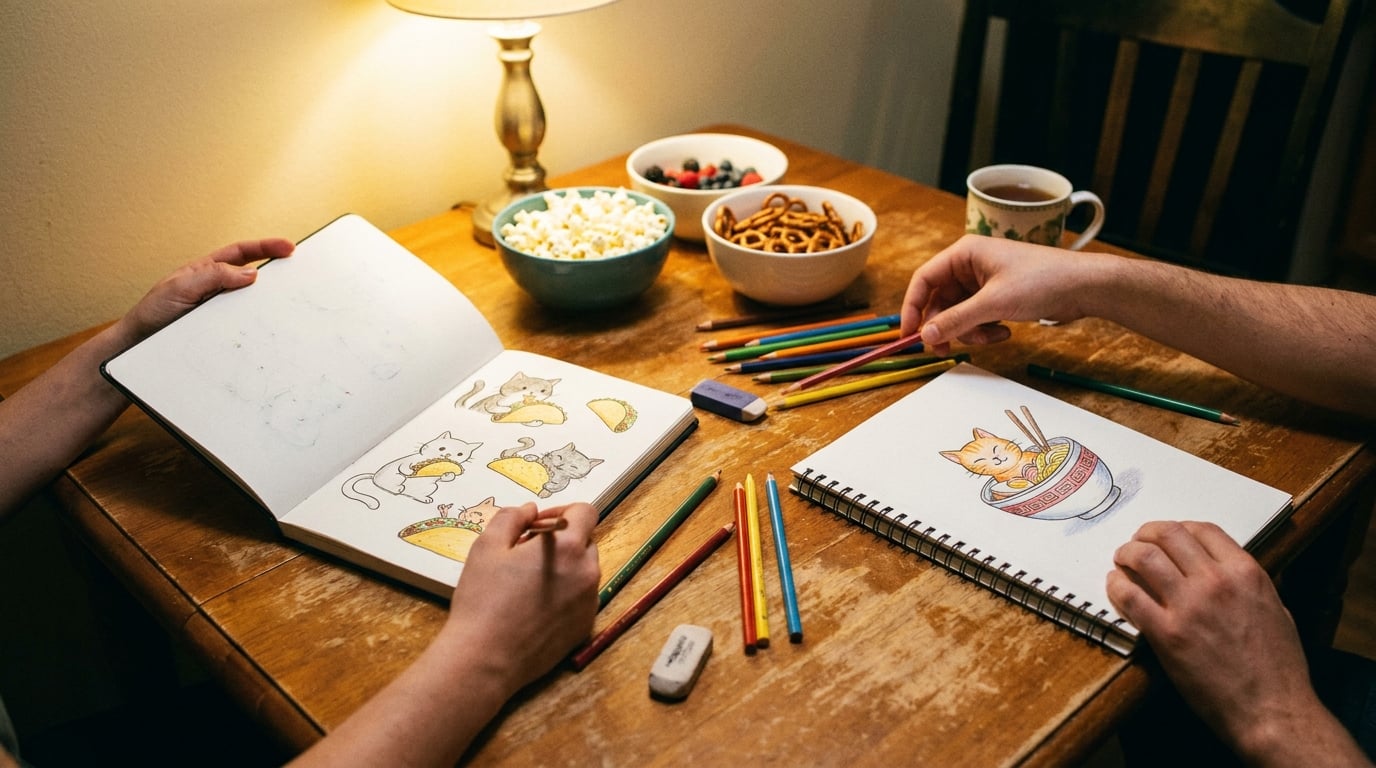
Picture this: three friends meet every second Wednesday evening. They draw snacks, pets, or movie stills while chatting. At the end, they share pages without critique, just positive comments like “I love how you drew that cat’s expression.” The point isn’t ranking anyone’s skill. It’s spending time together while doing something you all enjoy.
Online groups like the “It’s Easy To Draw” community or r/ItsEasyToDraw on Reddit provide an excellent example of finding your tribe online. Members share their sketches, support each other, and participate in themed challenges that keep drawing fun and social, no matter where they live.
Finding a supportive community or “tribe” that shares your interests can significantly enhance your enjoyment of drawing, as it fosters acceptance and encouragement. Supportive friends help protect you from toxic comments and keep the focus on enjoyment, not competition.
Try simple sharing rituals: post a “sketch of the week” in a private group chat, or pin a drawing to the fridge at home. These small acts turn drawing into part of daily life.
This month, plan one social drawing moment. Invite a friend for a café sketch date. Join a local meetup once. Start a group chat with two creative friends. Join the Its Easy To Draw community. The world opens up when you stop hiding your sketchbook and start sharing the fun.