
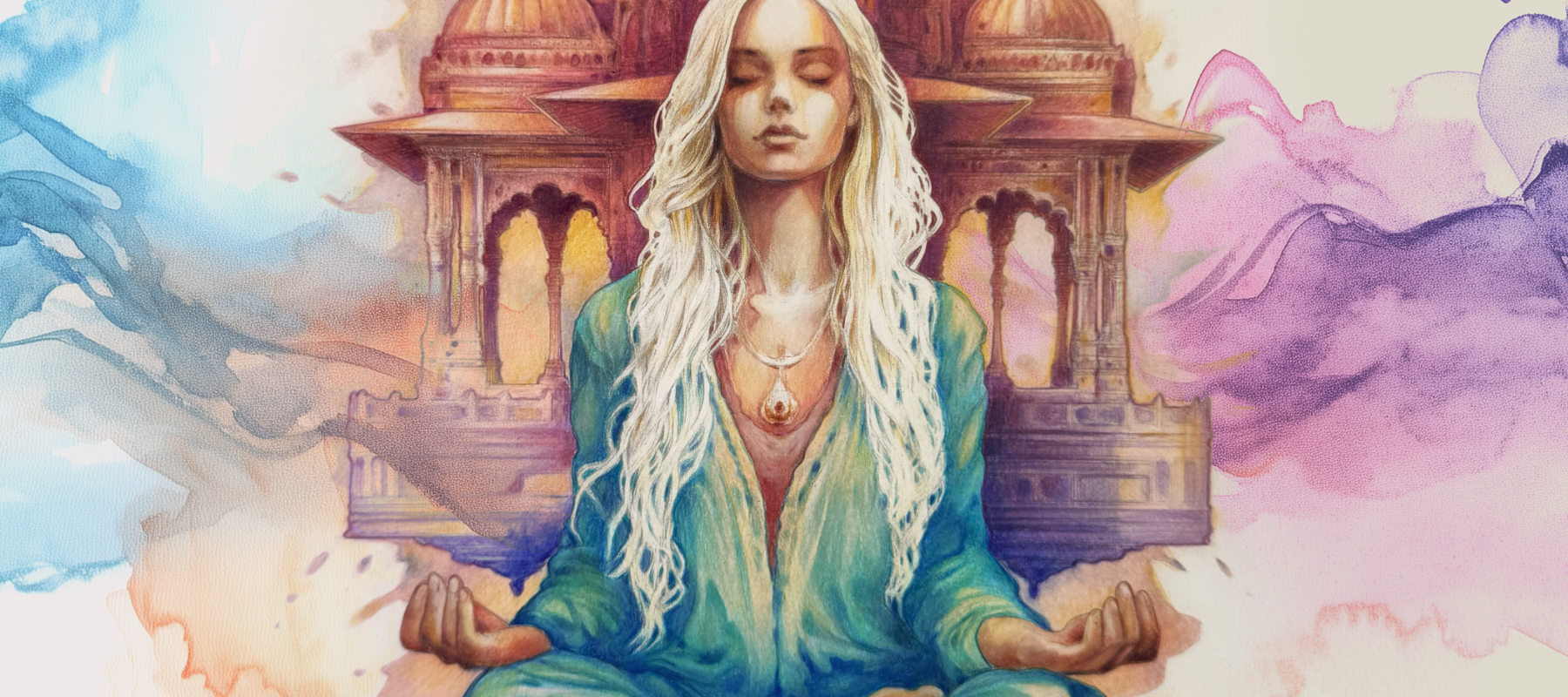
Achieve the watercolor look using only colored pencils. No water needed.
About this course
No water needed. Lisa teaches you how to achieve the soft, flowing look of watercolor painting using only colored pencils. Starting with a Zen temple scene, you will learn the shading strategies, gradient transitions, layering techniques, and pooling effects that create a convincing watercolor illusion. Then you will apply those techniques to flowing robes, skin tone, and lighting.
Three modules build from background technique through fabric and figure, finishing with a complete illustration that looks like it was painted with a brush.
This course shows you how to get the soft, flowing look of watercolor painting using only colored pencils. No water is needed. You work on one project across three modules, starting with a Zen temple scene, moving on to flowing robes, and finishing with skin tone and lighting on the figure. There are 17 video lessons in all, and each stage builds on the one before, so the techniques you practice early are the ones you rely on later.
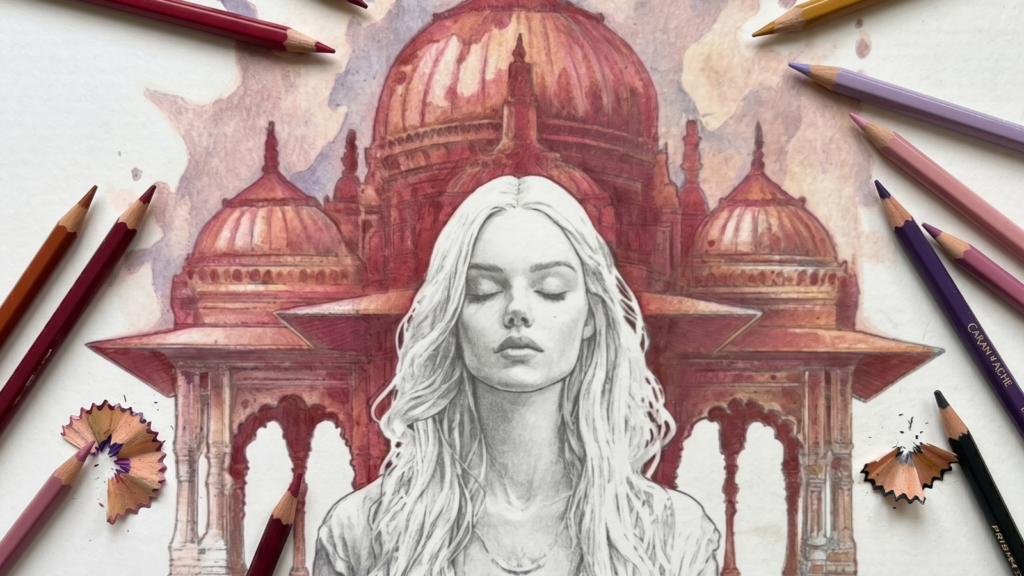
The first module, The Zen Temple, teaches the core techniques on the background. It opens with The Watercolor Look and Getting the Hang of It, then covers shading strategies, gradient transitions, layering techniques and blending with color. It ends with The Pooling Effect. Together these are the shading, gradient, layering and pooling techniques that create a convincing watercolor illusion, and you learn them on a temple scene before you move on to the figure.
In The Flowing Robes you take those techniques to fabric. The lessons cover best color choices, using negative space, painting versus realism, and learning to hold back. This module is about decisions: which colors to use on the robes, where negative space does the work, and when to stop adding. Those choices are what keep the fabric looking painted rather than overworked, and they are as important here as the pencil technique itself.
Skin Tone and Lighting applies the same approach to the figure. You start with a skin tone foundation, then work through airbrushed blending, sharp shadows, consistency and a glamor glow. By the end you have a complete illustration that looks like it was painted with a brush, with the temple, the robes and the figure all finished in the same style.

What you'll learn
- Create the soft, flowing look of watercolor using only colored pencils
- Use shading strategies, gradient transitions and layering techniques to build the effect
- Apply blending with color and the pooling effect to a finished background
- Choose colors and use negative space to draw flowing robes
- Decide when to hold back so the piece reads as painted rather than realistic
- Build skin tone with airbrushed blending, sharp shadows and a glamor glow
- Complete one illustration that looks like it was painted with a brush
Inside the course
- The Watercolor Look
- Getting the Hang of It
- Shading Strategies
- Gradient Transitions ▶ Preview
- Layering Techniques
- Blending With Color
- The Pooling Effect
- Best Color Choices
- Using Negative Space
- Painting vs Realism
- Learn to Hold Back
- Skin Tone Foundation
- Airbrushed Blending
- Sharp Shadows
- Consistency
- Glamor Glow
Who it's for
- Colored pencil artists at an intermediate level who like the watercolor look but want to stay with dry media.
- Artists who want to learn shading, gradients, layering and pooling as a connected set of techniques.
- Anyone who wants to draw flowing fabric using negative space and carefully chosen color.
- Artists who want to take a figure's skin tone and lighting into a watercolor style.
- Not aimed at complete beginners to colored pencil, since the lessons assume you already have some experience.
Your instructor
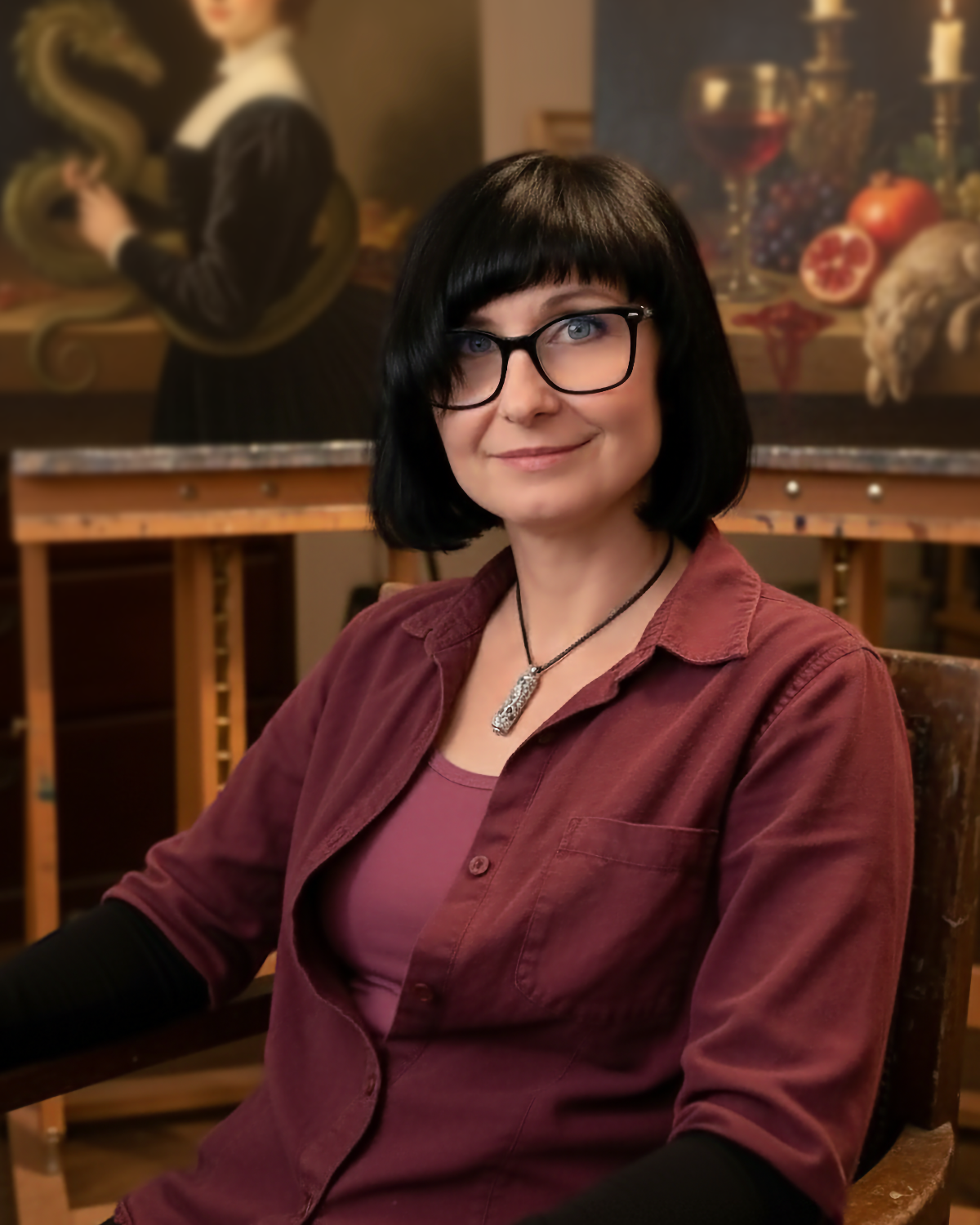
I'm Lisa Mitrokhin. I've been drawing since I was three years old, I have a master's degree in fine art, and I've taught in real classrooms, online, in groups, and one-on-one. I teach the way the artist brain learns: I show you the one thing to focus on, you try it, and then we move on to the next thing.
Questions about Watercolor Effects With Colored Pencils
Do I need water or paints for this course?
No. Everything is done with colored pencils alone, and no water is needed. The course teaches you how to get the watercolor look without it.
What will I be drawing?
You work on a single illustration built in stages. It begins with a Zen temple scene, moves to flowing robes, and finishes with skin tone and lighting on the figure.
How does skin tone work in a watercolor style?
Skin Tone and Lighting builds a skin tone foundation, then uses airbrushed blending for soft transitions and sharp shadows for contrast. That mix of very soft and very crisp edges is characteristic of watercolor. We also work on consistency across the figure and finish with a glamor glow.
What is the pooling effect?
In real watercolor, pigment gathers at the edges of a wash as it dries, leaving a darker rim. The Pooling Effect recreates that with colored pencil. It is the last lesson in The Zen Temple, after gradient transitions, layering and blending with color, because it depends on those soft transitions being in place.
How long is Watercolor Effects With Colored Pencils?
17 video lessons, about 2h of teaching in total, across 3 modules. It's a intermediate course.
Can I buy just this course?
Yes. Every course is sold on its own and is yours to keep. If you want more than one, Artisans get a big discount on every course, live coaching with me, and a community of artists to draw with. See everything Artisans get →
Do I need expensive supplies?
No. I teach with commonly available brands. Artisans also get the Palette Vault, with brand and color number references so you can follow along with the pencils you already have.
Where do I watch the lessons?
On the academy at academy.itseasytodraw.com, from any web browser on any device.
Artisans get this course for half price.
Keep going
 $97
Skulls, undead skin, gothic jewelry, and glitter. One dark, detailed project.
 $157
From first sketch to a finished coloring page ready for print or Etsy.
 $97
Make colored pencils look like light passing through glass.